By BuildSupply Editorial Team
Timber length schedules should show the number of pieces, required usable lengths and specification for each timber section. A total in feet is not enough. Before ordering, test whether the offered stock lengths can produce the required cut pieces. Then keep the approved cutting plan beside the quotation and receiving tally.
For a contractor, this prevents a bundle that looks sufficient on paper from leaving a work team short. For a school or church committee, it provides an understandable explanation for a purchase quantity. The method applies to catalogue timber and shuttering boards, but structural use still requires the responsible professional’s specification.
The examples below use invented lengths and quantities for arithmetic only. They do not describe available stock, structural spacing or a recommended construction detail. Ask BuildSupply to confirm actual lengths, dimensions and suitability evidence on the written quotation.
Timber length schedules begin with the approved cutting list
Use one row for each finished piece requirement. Record the material description, required cross-section, usable cut length, number needed and drawing reference. If a drawing uses metres, keep that original dimension. Add a purchasing conversion in a separate column rather than replacing the designer’s number.
The cross-section and length serve different purposes. Two pieces may have equal length but different sections. Combining their footage would hide an order error. Likewise, different timber species or specified properties belong on separate lines even when the nominal size matches. The purchase schedule should preserve every distinction in the approved specification.
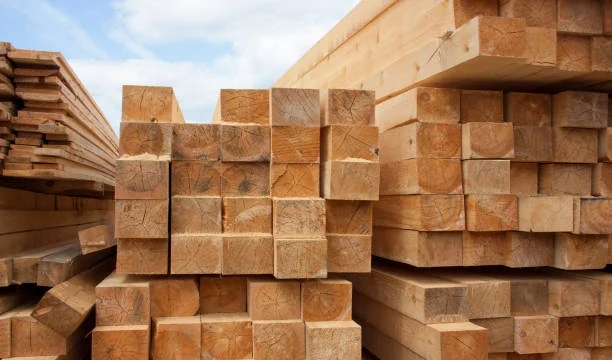
Start with the timber catalogue to identify the descriptions used by the store. For example, cypress timber 2×4 and pine timber 2×4 are separate product listings. Neither name alone proves equivalence for a particular structural application.
Get uncertainty resolved before seeking final prices. If the specification omits a property required by the design, ask the designer to supply it. A buyer should not infer a grade, finished size or treatment process from a short product title. Keep the clarification with the schedule so suppliers price the same requirement.
Timber length schedules: keep conversion arithmetic visible
One foot is exactly 0.3048 metres. Use that fixed conversion to translate length, but round only after understanding how the material is sold. A quotation may refer to a sales increment or a standard stock length. Your calculation cannot establish what increment BuildSupply will accept for an order.
Suppose an approved cutting requirement calls for 40 pieces, each 2.4 metres long. The net cut length is 96 metres. Dividing by 0.3048 gives approximately 314.96 feet. That figure describes total cut length; it does not determine how many stock pieces to buy or how much will be invoiced.
If the offered stock is eight feet long, each piece is 2.4384 metres before cutting. In this hypothetical case, one stock piece might produce one 2.4-metre cut only if the cutting allowance and usable end condition permit it. The small difference must be checked, rather than automatically counted as spare material.
Record the conversion method, rounding decision and stock-length assumption. A colleague should be able to repeat the calculation without asking which version of the spreadsheet you used. Do not combine metric and imperial figures in the same quantity cell. Label the unit in the heading and in exported enquiry documents.
Timber length schedules: test usable pieces rather than aggregate footage
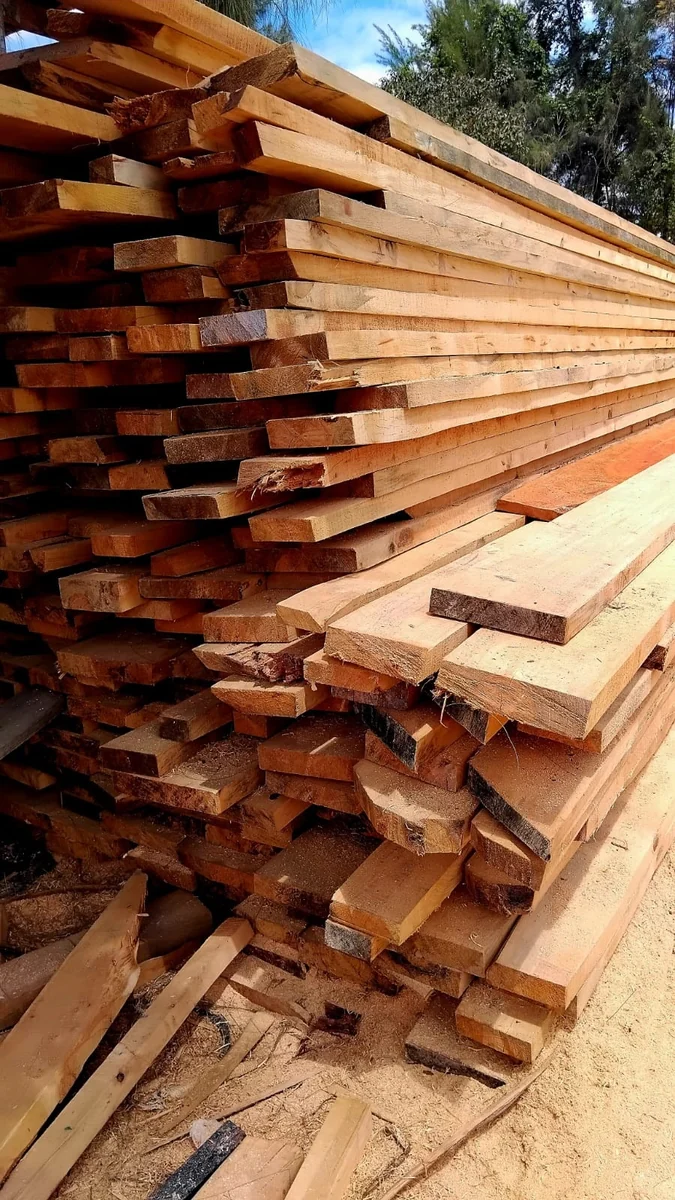
The central question is whether each stock piece can yield the required cuts. Consider an order needing 60 cuts of six feet and 40 cuts of four feet. The net cut requirement is 520 feet. That total is necessary information, but a purchase decision also needs a cutting arrangement.
Ignoring saw cuts temporarily, 30 twelve-foot pieces could yield the 60 six-foot cuts. Another 14 twelve-foot pieces could yield at least 40 four-foot cuts. That gives 44 stock pieces and 528 feet. However, those exact-fit cuts leave no space for saw kerf or end trimming. The apparent solution therefore needs revision.
The example is deliberately simple: a cutting plan that works in whole-number arithmetic may fail in the workshop. Ask the person responsible for cutting to include actual equipment, end trimming and acceptable residual lengths. Do not substitute a general waste percentage for a cutting layout where individual long pieces matter.
Sometimes a slightly longer stock length can produce useful combinations and fewer unusable ends. Sometimes it simply increases offcuts. Compare alternatives against the same required cuts. Keep the supplier’s offered lengths unchanged in your record, and show the conversion from stock pieces to finished cuts explicitly.
Timber length schedules: separate cutting loss, defects and contingency
Timber length schedules become difficult to audit when every extra piece is called waste. Distinguish planned saw cuts and trimming from pieces rejected at receipt. Also separate an approved contingency for unforeseen site changes. Those allowances have different causes and should not automatically receive the same treatment.
Cutting loss is linked to the layout and equipment. Unusable defects depend on the specification and inspection result. Contingency is a project decision about uncertainty. Recording each basis helps the quantity surveyor decide whether an additional order reflects an estimating error, a quality issue or an authorised variation.
Use an allowance register with four fields: reason, quantity, approval and reconciliation method. If a supervisor requests additional timber, ask which reason applies. Avoid rolling every request into the original order balance. Otherwise the closing account may show extra purchases without explaining whether the installed work changed.
The formwork calculator can help organise an estimate, provided its assumptions match the proposed work. It does not replace an approved cutting list or temporary works design. Keep a copy of the inputs used so later changes can be compared with the same baseline.
Timber length schedules: compare quotations without losing the stock-length detail
Give each supplier the same schedule and invite them to state offered lengths against each line. Ask whether the quotation is for exact listed lengths, an agreed mix or another arrangement. “Mixed lengths” is not a complete response when the project needs a defined set of long cuts.
Compare the quantity quoted, not merely the price per foot. If one supplier prices net cut length and another prices full stock pieces, their totals cover different assumptions. Clarify which material remains after cutting and who is responsible for checking the yield. Do not presume a cutting service is included.
For a public organisation, refer the purchasing process to the authorised procurement team. The PPRA notice on standard tender documents is a reference for procurement documents, not proof that an informal timber enquiry meets every applicable requirement. Use the project’s approved evaluation process and avoid changing criteria after offers arrive.
Where shuttering boards appear in the same package, keep them distinct from other timber sections. The shuttering board 1×8 listing is sold by footage in the catalogue. Confirm lengths and measurements on the quote rather than treating the product title as the complete purchase specification.
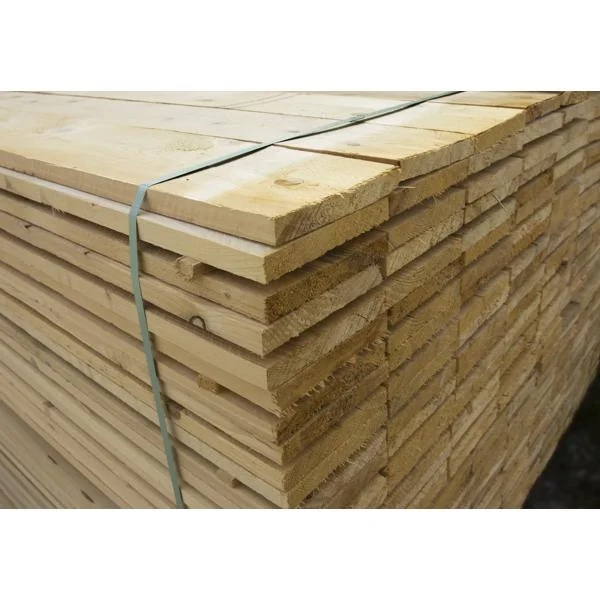
Timber length schedules: plan storage around the quantities you actually need next
A technically correct schedule can still create unnecessary handling if the entire order arrives before the site can store it. Identify which cuts belong to each work phase. Ask the project team to coordinate release dates with covered space and the approved construction sequence. Supplier lead times must be confirmed separately.
Timber responds to its moisture environment. The US Forest Products Laboratory guidance on drying and moisture control discusses storage protection and the relationship between intended use and moisture condition. Use the project specification to decide what evidence or measurements are needed; do not apply an unrelated numerical threshold to all timber uses.
Prepare supports, weather protection and identifiable storage areas before dispatch. Keep accepted stock separate from material awaiting inspection. The storage plan should also allow the receiving team to read piece labels and count lengths without dismantling unsafe stacks. Ask a competent site supervisor to determine stable stacking and handling arrangements.
Do not convert a visual storage check into a claim about treatment or durability. Where termite protection, preservative treatment or a particular service condition matters, request the required evidence. The catalogue name is not a substitute for that record. No treatment method, strength or lifespan is asserted here.
Use a receiving tally that matches the order
Prepare the tally in the same line order as the purchase schedule. For each timber section, list the ordered length classes and counts. Record delivered pieces by actual agreed measurement, not just the number of bundles. A bundle count cannot show whether the contained lengths match the order.
For example, an order might require 25 pieces in one length class and 15 in another. If the driver presents 40 pieces, the total count alone does not confirm compliance. Count each class, note differences and hold unclear material for the agreed review. The delivery note should preserve the exception rather than imply unqualified acceptance.
Record the inspection date, order reference, person checking and outcome. Photographs can support a measurement record when labels and scale are understandable. They do not replace the measurement or any required technical test. Avoid obscuring an unresolved size discrepancy with a general comment such as “timber delivered”.
Agree in advance who can approve an alternative length mix. A site worker may be able to use different lengths, but that does not automatically authorise a commercial substitution. The responsible person should check cutting yield, specification and any cost implications before the alternative becomes accepted stock.
Close timber length schedules against issues and offcuts
Issue timber to work teams using the same schedule references. Track usable offcuts separately from damaged or rejected material. A remainder that cannot satisfy the next cut requirement should not appear as fully available stock merely because it contributes to the footage total.
At the end of a phase, reconcile opening stock plus accepted receipts, less recorded issues and approved write-offs. Count the remaining material by useful length and section. Explain any difference while the receiving and cutting records are still available. This gives the next phase a reliable starting point.
Keep the review proportionate. A small package may need one sheet; an institutional project may need separate registers for work fronts. What matters is that the cutting requirement, purchase quantity and accepted material can be followed through the same record. More spreadsheet columns do not compensate for missing length information.
For a new enquiry, attach the approved timber length schedule to the formwork bulk quote request. You can also review materials for formwork before grouping the package. Ask BuildSupply to confirm the available lengths, specification details, site feasibility and complete terms on the quotation.
Keep timber length schedules with their approved cutting layouts. Update timber length schedules when an authorised design change alters the required cuts.
Where the cutting schedule includes shuttering boards, review the shuttering-board category and keep its specification and quantities separate from other timber sections.
Related buying guides
- Wet season marine board storage: record condition and movement
- Building material quote comparison: find the true delivered cost
Frequently asked questions
Are timber length schedules the same as a BOQ?
No. A BOQ may provide an overall measured quantity. The length schedule translates the approved requirement into the piece lengths and counts needed for purchasing and cutting.
Is total footage enough to approve a timber order?
No. The stock must also provide the required usable cuts. Different combinations of short and long pieces can have equal total footage but different usefulness.
Can I add a fixed percentage for every timber package?
Only use an allowance with a justified, approved basis. Cutting patterns, end trimming, specification checks and project contingency should be considered separately.
Does a nominal 2×4 label confirm the actual finished size?
Do not assume that. Ask the supplier to state the measurement basis and confirm that the offered material meets the responsible professional’s specification.
Who can approve replacement lengths at delivery?
The person authorised under the project’s purchasing and technical process. Check the cutting yield and specification before accepting a different mix.
Does BuildSupply offer credit or accept LPOs for timber?
Confirm those arrangements in writing with BuildSupply. Request a written response with the quotation rather than assuming either is available.