By BuildSupply Editorial Team
Foundation material orders should follow the approved foundation schedule and the purchasing units stated by the supplier. Separate the design decision from the buying decision: the engineer determines the foundation requirement, while the buyer checks quantities, quotation scope and delivery evidence. Before committing money, make sure the material description, measurement basis and work phase are clear enough for both the supplier and receiving team to use.
Foundation material orders: define the foundation package
Ask the project team which foundation work this order serves. Identify the building block, drawing revision and stage, then separate stone requirements from aggregate and other materials bought elsewhere. BuildSupply’s catalogue includes foundation stones and ballast; it does not establish a complete foundation system. Do not add cement, reinforcement or excavation services to the supplier’s scope by implication. The enquiry should show only the materials being requested from this store.
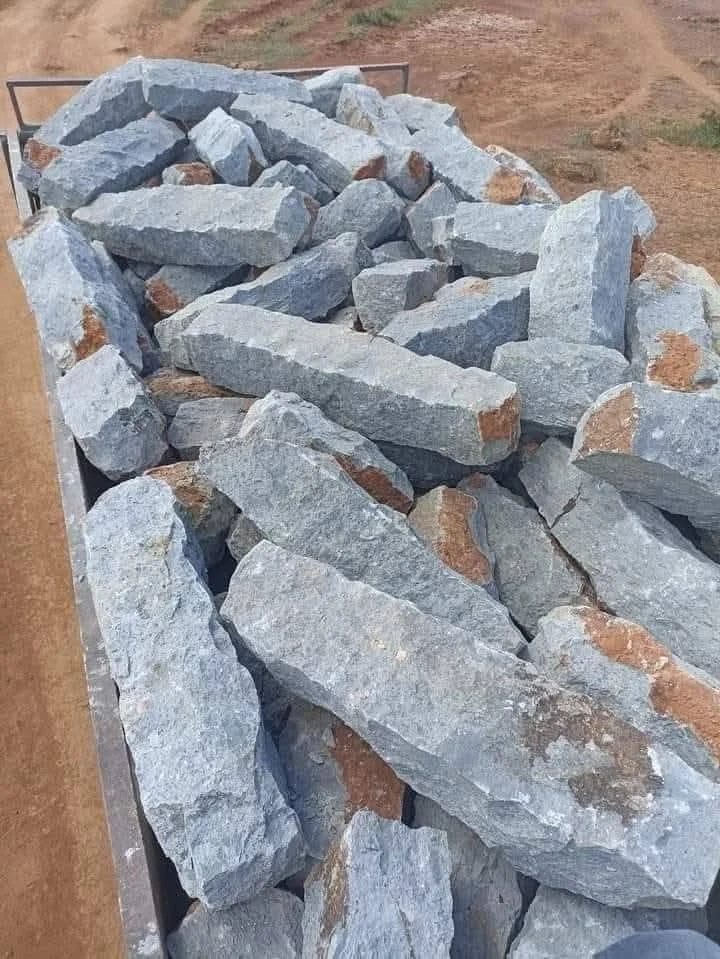
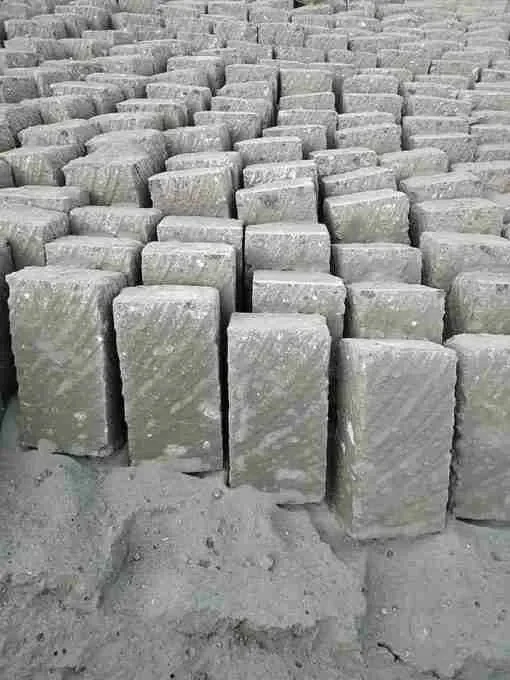
Foundation stone product names need particular care because the catalogue records length-based units for some items. A BOQ quantity measured in volume cannot automatically become a foot-based order without an agreed explanation. Ask the quantity surveyor to identify the measurement basis and the supplier to confirm what its quoted unit represents. Keep that clarification with the enquiry. A buyer should be able to explain the ordered quantity without guessing how irregular stones are measured or how a supplier forms a commercial line.
Foundation material orders: keep technical decisions with the authorised professional
Start with the approved specification and current drawings. Identify their references on the purchasing schedule so the supplier and reviewer can see which requirement controls. If a material property is missing, ask the responsible professional to clarify it before final offers are compared. A catalogue description can identify an item for discussion, but it does not establish the design requirement or prove suitability for a particular structural or temporary works application.
Separate product identity from evidence of performance. A name may mention a nominal size, species or treatment without supplying every detail required by the project. Request the measurements, documentation or assessment the specification calls for. Do not invent a grade, strength, origin, warranty or lifespan to make an enquiry look complete. An honest question is more useful than a precise-looking statement that nobody has verified.
Record each proposed alternative against the original requirement. State what differs, why the supplier suggests it and what evidence accompanies the proposal. Send both descriptions to the person authorised to assess technical equivalence. A cheaper offer or earlier proposed delivery does not establish equivalence. The decision should explain the approved scope and any conditions, rather than simply describing a replacement item as acceptable without a supporting reason.
Control proposed substitutions and revisions
Keep commercial approval connected to the technical decision. An adviser might approve a material conditionally, while the buyer still needs to confirm quantity, costs or timing. Conversely, a committee might approve a budget without approving a new specification. Show which decisions remain open and who must resolve them. This avoids an order being released because one approval was mistaken for a complete authorisation to proceed.
When a drawing revision changes the requirement, identify orders and stock already affected. The response may involve revising a future release, reviewing usable surplus or seeking clarification about material already delivered. Do not erase the earlier order record. Retaining its reference explains why a quantity was purchased under a specification that later changed. The project can then assess the consequence using evidence instead of assuming the original buyer made an error.
Give receiving staff the decision they need in a usable form. They should know the agreed product description, measurement basis and acceptance route, without having to interpret a long technical discussion at the gate. Where a specialist check is required, arrange for the authorised reviewer to perform it. A visual tally is valuable for quantity and condition, but it must not be represented as certification of properties it cannot establish.
Foundation material orders: use a release example without redesigning the foundation
Consider a hypothetical institutional project whose approved purchasing schedule requires 360 commercial units of one foundation stone line. The team plans three work packages of 140, 120 and 100 units. The arithmetic reconciles to 360, but the split is useful only if each package corresponds to actual approved work and the supplier confirms the proposed commercial arrangement. Those numbers say nothing about foundation width, depth or structural adequacy.
Suppose the first package receives 140 units, with 132 accepted and eight held for a measurement clarification. The register should show the physical receipt and pending quantity separately. The next order decision must consider whether those eight will be accepted, replaced or otherwise resolved under the agreed terms. Simply subtracting 140 from the project estimate may conceal a requirement still outstanding. Conversely, placing another order for eight without recording the held material can duplicate an eventual accepted quantity.
Foundation material orders: coordinate stone and ballast without merging their balances
Foundation work may create demand for several catalogue groups at different times. Keep stone and ballast lines separate even if one contractor manages both. They can use different purchasing units, delivery evidence and receiving positions. A combined report such as foundation materials delivered cannot show which particular requirement is ready for the next operation. Ask the site manager to identify the sequence and the person who will confirm each release.
Do not order aggregate from an assumed concrete recipe in a purchasing article. The responsible professional must define the project requirement. If a calculator is used, record the approved inputs and review its assumptions. For ballast sold as a named lorry load, ask what evidence establishes the agreed quantity and do not infer mass from an image of the vehicle. The order should preserve the distinction between the material needed for the work and the sales description used in the quote.
Foundation material orders: check the connection between measured and purchased quantities
Retain the unit used in the approved BOQ and show the supplier's purchasing unit in a separate column. If the two differ, ask the responsible quantity reviewer to explain the bridge between them. A material described per piece, foot, length or load cannot be treated as interchangeable merely because the descriptions refer to the same project. The conversion needs a stated basis that the buyer can repeat.
Distinguish a theoretical net requirement from the quantity proposed for ordering. The net calculation describes the measured work under its assumptions. Cutting, handling or contingency allowances are separate purchasing decisions and should retain their reasons and approvals. Check whether an allowance is already included in the source schedule before adding another. Otherwise a well-intended precaution may duplicate a quantity already allowed by the project team.
Record measurements at a useful level of detail. Total footage can hide an unsuitable length mix, and a total piece count can hide differences in size. Similarly, an assumed volume does not prove a delivered mass. Identify the dimensions, length classes or delivery evidence relevant to the agreed sales unit. Do not invent a conversion factor or rely on appearance to settle a quantity that requires measurement or supporting documentation.
Make every conversion and allowance visible
Round only after understanding the unit in which the supplier actually offers the material. An internal calculation can produce a fractional figure, while the quotation may use whole pieces or another agreed increment. Show the unrounded calculation and the purchasing decision separately. Ask the supplier to confirm the commercial measurement basis. A neat rounded total should not conceal a change in specification or an assumption about stock that has not been confirmed.
Use a worked example to test the schedule before approval. Choose one representative line, reproduce its calculation and ask a second reviewer to follow the assumptions. If the results differ, compare inputs and units before changing the order quantity. The objective is not to force agreement with an existing spreadsheet. It is to understand why the calculation describes the approved work and whether it maps to a feasible purchase.
Keep the same unit labels on the receiving record and closing reconciliation. A count made using a different basis from the order may look like a shortage even when the underlying quantities have not yet been compared correctly. Resolve the unit question first and retain the explanation. This makes later payment, balance and variation discussions more accurate without pretending that an estimating worksheet is a structural design or a supplier's delivery certificate.
Foundation material orders: check access and records before committing the next load
A foundation phase can begin while site access and storage are still changing. Ask the competent site team to identify a receiving location that suits the actual work and delivery operation. Do not assume a load can be placed next to an excavation, on recently disturbed ground or beside a temporary route. Any uncertain access, unloading or ground issue belongs with the qualified people responsible for that operation.
For a committee approval, attach the current requirement, unit clarification and proposed release plan. State which questions remain unanswered, especially destination feasibility and transport or offloading scope. Avoid promising a lead time before the supplier confirms it. Foundation material orders become easier to control when each release has a specific purpose and a clear record of the quantity accepted. That record also gives the next phase a defensible starting balance instead of a rough estimate made from what appears to be left on site.

Foundation material orders: review the decision before release
Before approving the next foundation purchase, ask the reviewer to explain one line from source quantity to commercial unit. The answer should identify the approved drawing, BOQ basis, conversion or measurement clarification and the quantity proposed for this release. If that explanation is missing, return the line for clarification rather than purchasing an apparently precise number. Record which other lines depend on the same assumption so a later correction is applied consistently, without silently changing unrelated material quantities or the engineer’s design.
Next steps for foundation material orders
Prepare foundation material orders by attaching the approved material schedule, unit clarification and intended release sequence. Ask BuildSupply to confirm the product description, commercial measurement basis, site feasibility and complete quotation terms. The purchasing record should help your engineer and quantity surveyor’s decisions reach the supplier accurately, without substituting a shop description for their design.
Catalogue and buying resources
Use these catalogue entries to identify the exact lines for your enquiry. Confirm their current specification and purchasing unit in the quote:
- Foundation Stones — listed purchasing unit: length.
- 9" Foundation Stones — listed purchasing unit: foot.
- Ballast – Per 18 Tonne Lorry — listed purchasing unit: lorry.
Browse the relevant ranges: Foundation Stones, Ballast.
Set out the work package on the foundations materials page and send the approved schedule with a bulk quotation enquiry. Ask the supplier to confirm feasibility, timing and commercial terms for your actual destination.
For the supporting buying process, read Building material quote comparison: find the true delivered cost, and Stone quantity estimates: reconcile wall area and purchase units.
Frequently asked questions
Can a foundation stone listing determine my foundation design?
No. The responsible engineer must determine the project’s foundation requirements. A catalogue listing identifies a material for enquiry, not a complete design.
Why should I clarify a length-based foundation stone unit?
Because the supplier’s commercial unit may differ from the BOQ unit. Obtain an approved explanation before converting or comparing quantities.
Do the 140, 120 and 100 units describe a real project?
No. They are hypothetical release quantities used to illustrate reconciliation. They are not a structural recommendation or a BuildSupply offer.
Can stone and ballast deliveries share one balance?
Keep separate balances for each material and unit, even where one work team uses both. A combined total cannot show which requirement remains outstanding.
What should I do with material held at receiving?
Keep it identifiable and record its quantity and pending status. Follow the agreed technical and commercial review process before counting it as accepted stock.
Are delivery times or credit terms guaranteed here?
No. Ask BuildSupply to confirm any requested arrangement in the written quotation. No unconfirmed term is included in this guide.
References
Official background resources for the relevant procurement, weather or wood-care questions discussed above. They do not certify a catalogue item or confirm this supplier’s terms.