

By BuildSupply Editorial Team
A building material quote comparison works only when every supplier prices the same specification, quantity, delivery point and responsibilities. Put those items into one comparison sheet before ranking offers. Then record exclusions and unresolved questions separately. The cheapest total on the first page may cover a different scope from the amount your project actually needs.
This guide is for a school bursar, building committee, contractor or procurement officer comparing a substantial order. It offers a practical method rather than a price list. All worked quantities below are hypothetical purchasing examples. They are not BuildSupply quotations, stock statements or engineering recommendations.
Start your building material quote comparison with one enquiry
Prepare a single enquiry document and give each supplier the same revision. Include the project reference, material schedule, delivery location, requested sequence and deadline for clarifications. If your designer changes a material, issue the clarification to everyone before comparing final responses. Otherwise one bidder may price the new specification while another retains the old one.
Separate the material description from its intended use. “Timber for roofing” describes a purpose but leaves many buying questions open. Ask the project’s responsible professional to specify the required species, dimensions, lengths and any performance or treatment evidence. Purchasing staff should transfer that approved requirement into the enquiry, rather than choosing a structural specification from a shop label.
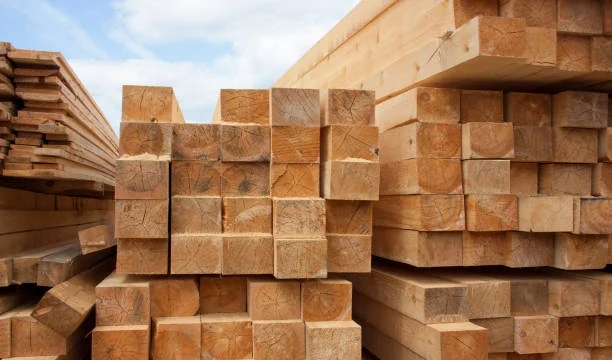
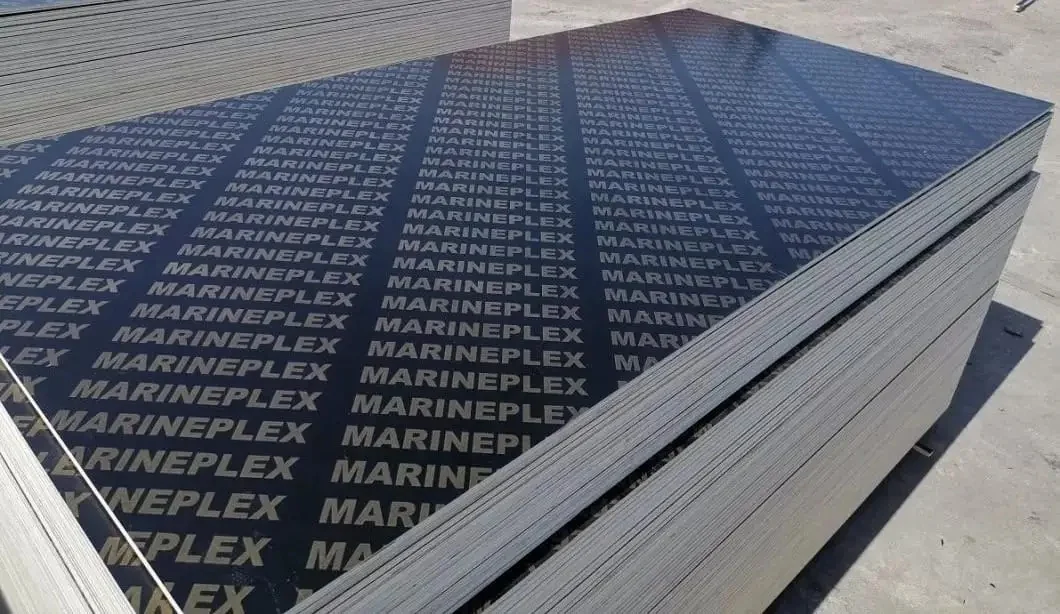
You can use the BuildSupply timber category to identify catalogue options. Treat the product listings as a starting point for clarification. A product name does not establish whether that item meets your particular design. The same distinction applies when comparing marine boards for a formwork package.
For a public entity, use your procurement team’s approved process. The PPRA notice on standard tender documents provides a route to the Authority’s standard document resources. This article’s comparison worksheet does not replace those documents, tender evaluation criteria or professional procurement advice.
Building material quote comparison: normalise units before comparing totals
Create a separate row for every specification and unit. Keep the supplier’s original wording beside your comparison unit. That makes conversions visible and helps a reviewer trace each figure back to the offer. Do not silently convert a lorry into a volume or a board into an assumed sheet size.
Suppose your approved timber cutting list contains 120 pieces, each 10 feet long. The total required length is 120 × 10 = 1,200 feet. An offer for 1,200 feet is comparable only if it also provides the required usable piece lengths. A bundle of short offcuts might have the same total footage but fail the cutting list.
Now suppose another supplier offers 100 pieces of 12-foot timber. That also totals 1,200 feet. However, producing 120 separate 10-foot pieces from those 100 pieces is impossible without additional stock. The calculation exposes a purchasing mismatch that a total-footage comparison would miss. Your approved cutting layout determines which alternative, if any, is acceptable.
BuildSupply’s cypress timber 2×4 listing uses a per-foot sales unit. Confirm available lengths and the meaning of the named dimensions on the quotation. Do not infer a finished measurement, structural grade or moisture condition from the catalogue title.
Building material quote comparison: build a delivered-cost worksheet
Keep quoted prices separate from your calculated comparison total. Record whether each cost is included, excluded or unanswered. An unanswered item is an unresolved commercial question. It should not become a zero simply because the comparison sheet needs a number.
| Comparison item | What to record | Evidence to request |
|---|---|---|
| Material | Approved specification and quantity | Written quotation line |
| Tax | Included, excluded or unclear | Supplier clarification |
| Transport | Named destination and scope | Delivery terms |
| Offloading | Responsible party and equipment | Written allocation |
| Waiting | Conditions and charging basis, if applicable | Agreed terms |
| Inspection | Counting and condition checks | Receiving procedure |
| Exceptions | Substitution, damage and shortage process | Agreed response route |
For an internal planning exercise, you can express the comparison as a formula: comparable material cost plus excluded tax, transport, offloading and other agreed charges. Use actual quotation amounts only after each item is confirmed. Keep potential risks outside that arithmetic unless your organisation has a documented method for estimating them.
For example, one offer might include transport to the site gate while another includes transport to a named laydown area. Those are different scopes. Clarify whether the vehicle can reach the laydown area and who pays for any onward movement. Do not assume the cheaper transport line includes the more difficult part of the journey.
Building material quote comparison: check quantity assumptions without redesigning the work
Use the approved BOQ and drawings as the purchasing baseline. Record their revision numbers and identify the person who can resolve discrepancies. A supplier’s estimate can help identify a question, but it should not silently replace the project’s authorised quantity or specification.
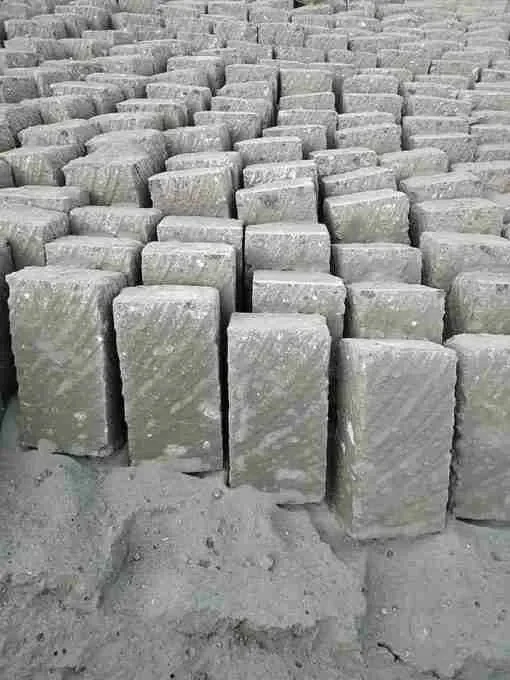
For walling, separate gross wall area, openings and the procurement allowance. As a hypothetical example, a 20-metre-long wall with a height of 3 metres has a gross face area of 60 square metres. If approved openings total 8 square metres, the net face area is 52 square metres. This does not yet establish a stone count.
The stone count also depends on the actual face dimensions, joint assumptions, bond and detailing. Use the walling stones calculator only after checking its inputs against your project. Ask the quantity surveyor or responsible designer to confirm the result before an order is released. Do not treat the example wall as a structural design.
Keep an allowance in its own column. State who approved it and what it covers. Breakage, cutting and contingency are different reasons for extra material. Combining them into an unexplained percentage makes later reconciliation harder. A committee should be able to distinguish the measured work from the purchasing decision.
Building material quote comparison: agree delivery readiness before approving the order
A building material quote comparison should describe the receiving site, not merely name a town. Give suppliers the gate location, contact person, access restrictions and proposed delivery sequence. Ask them to confirm vehicle suitability and delivery feasibility in the actual quotation. No county coverage or lead time is promised here.
Walk the route from the public road to the unloading position. Record a narrow gate, overhead obstruction, steep approach or soft surface as a question requiring resolution. The receiving team should not improvise vehicle movements or lifting arrangements. Refer uncertain ground, temporary works and handling arrangements to competent professionals.
Weather can change readiness between enquiry and dispatch. Check the Kenya Meteorological Department’s seasonal outlook service, then review conditions near the delivery date. A regional forecast is a planning input; it cannot prove that a specific access road will support a loaded vehicle.
Agree a readiness check before each call-off. The site contact should confirm the access route, clear unloading space and available receiving staff. If conditions change, record the decision and contact the supplier before dispatch where possible. Include any agreed rescheduling or waiting arrangements in the commercial record rather than assuming them.
Building material quote comparison: compare phased orders against the same release schedule
For a long project, split the material schedule into approved phases. Record the total envisaged quantity and the quantity proposed for the first release. A supplier may offer one commercial basis for the full order and a different basis for separate releases. Ask what is committed and what remains subject to a new quotation.
Use three dates for each phase: the date the site expects to need the material, the date the order must be authorised and the date the supplier must confirm readiness. These dates are planning fields, not delivery promises. The project team and supplier need to agree them together.
Track balances using accepted quantities. Suppose an order covers 600 pieces and the first delivery contains 200 pieces, of which 12 are held pending inspection. Your register should distinguish 200 received, 188 accepted and 12 on hold. The quantity still to be accepted against the order is 412, subject to the contract’s treatment of the held items.
That distinction avoids confusing a dispatch note with completed performance. It also protects the supplier from a record that simply says “short delivery” without acknowledging stock physically received. Keep disputed goods identifiable and avoid issuing them for use while their status remains unresolved.
Make receiving responsibilities visible in the comparison
Before approval, name the people responsible for ordering, receiving, technical inspection and commercial acceptance. In a small organisation, one person may perform several roles. Even then, the record should show which decision they made and under what authority.
Prepare the receiving sheet before the vehicle arrives. Include the order reference, material line, expected unit, delivered quantity, accepted quantity and exception notes. Add space for photographs, the delivery note reference and follow-up responsibility. Photographs support the written record; they do not replace a count or a required material test.
For timber, record the dimensions and usable lengths required by the order. For boards, check the quoted sheet measurements and visible condition. For stones, follow the agreed count or measurement procedure. For ballast, use the agreed evidence for the sales unit. Do not infer tonnage from appearance or estimate a load’s compliance from a photograph.
When an item differs from the order, identify the difference before signing unqualified acceptance. The next action may be clarification, technical review or a commercial remedy under the contract. This guide does not promise a return, replacement or refund policy. Confirm the applicable process on the quotation and order.
Present a recommendation the committee can audit
Finish the comparison with a short recommendation and its reasons. Attach the original offers, enquiry revision, clarification responses and completed worksheet. Explain any outstanding issue that prevents an award decision. Do not hide an unanswered delivery or specification question behind a weighted score.
A useful recommendation distinguishes compliance from preference. First explain whether the offered scope matches the approved requirement. Then compare complete commercial terms using the organisation’s authorised criteria. A convenient delivery contact or attractive headline price does not cure a missing material specification.
Keep any proposed substitution in a separate decision record. Identify the original requirement, the alternative, the evidence supplied and the responsible professional’s response. Obtain approval before placing the changed order. A procurement officer should not accept an unreviewed structural alternative merely to keep a delivery moving.
You can prepare the enquiry around materials for institutions and the current catalogue. If formwork is included, use the timber and formwork calculator as a transparent estimate with checked assumptions. Finally, submit the schedule through the institutional bulk quote form.
Ask BuildSupply to confirm the specification, quantities, destination feasibility, delivery sequence and complete quotation terms. Confirm any requested payment, delivery or credit terms on the written quotation.
Keep the building material quote comparison with the approved enquiry revision. Revisit the building material quote comparison when a clarification changes the scope.
For a walling package, use the machine-cut stone catalogue to identify the product descriptions that need to match the approved schedule.
Related buying guides
- Stone quantity estimates: reconcile wall area and purchase units
- Timber length schedules: compare feet, pieces and cut lists
Frequently asked questions
Should I choose the cheapest building material quote?
Only compare prices after confirming equivalent scope and compliance. Follow your organisation’s authorised evaluation criteria and resolve material exclusions before making a recommendation.
Can I compare timber sold per piece with timber sold per foot?
Yes, if you know the required lengths and specification. Calculate total footage, then check that the offered pieces satisfy the approved cutting list.
Does a lorry load prove the delivered weight?
No. Ask what the quoted unit means and what delivery evidence will establish it. Do not convert between mass and volume without justified project-specific information.
Who approves a different material offered by a supplier?
The person authorised under your project and procurement process. A technical change may require review by the responsible designer or engineer before commercial approval.
Can BuildSupply accept our LPO or offer credit?
Confirm those terms in writing with BuildSupply. Ask for a written response on your quotation rather than assuming either arrangement is available.
What should accompany a bulk quotation request?
Send the approved material schedule, units, quantities, relevant specification, site location, proposed phases and questions about delivery responsibilities. Identify the current document revision.

