

By BuildSupply Editorial Team
School building material RFQs should give every supplier the same approved material schedule, quantities, site information and quotation questions. Keep the enquiry revision controlled and explain how the school will compare responses. Before requesting delivery, agree who may authorise the order, receive the load and resolve a difference between the supplied material and the specification.
A bursar does not need to redesign the building to prepare a clear enquiry. The bursar needs a usable specification from the project’s qualified professionals, a consistent commercial schedule and a record the building committee can understand. This guide offers an enquiry structure and a worked example, with no claims about BuildSupply’s unconfirmed terms.
School building material RFQs: define what the school is buying
Separate the material purchase from construction work or another service. A request for walling stones is different from a request to build a classroom block. If the school is procuring a works contract, its authorised advisers should decide how material responsibilities sit within that contract. Do not accidentally price the same material through two different purchasing routes.
Ask the project team to identify the approved work package. It may cover one classroom, an ablution block, a boundary section or a defined repair. Give that package a reference. Keep the approved drawings, specification and quantity schedule under the same reference so reviewers can recognise their relationship.
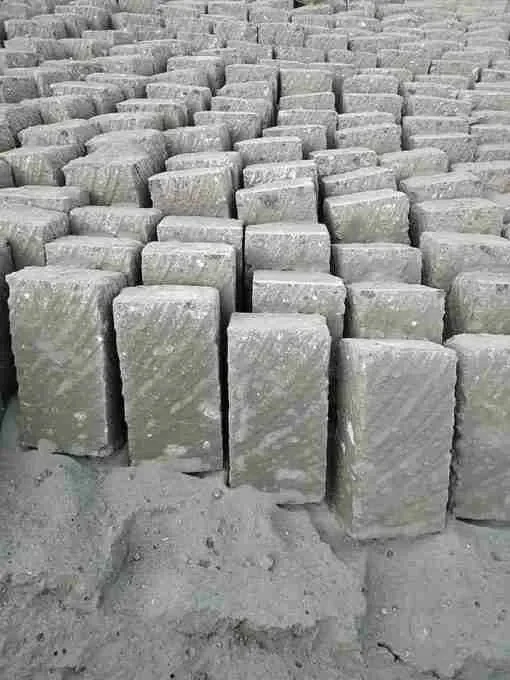
Use clear catalogue descriptions in the enquiry while retaining the professional specification. The machine-cut stone catalogue identifies product options, including 6-inch machine-cut stones and 9-inch machine-cut stones. A catalogue choice alone does not establish the appropriate wall design.
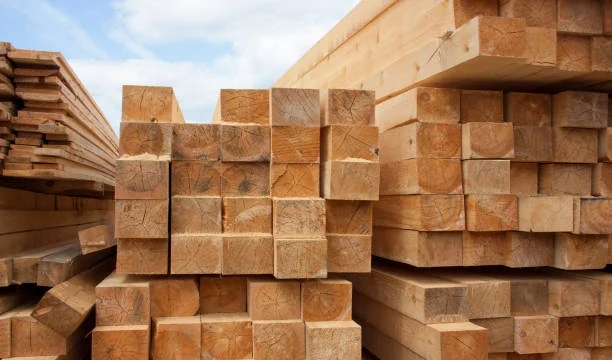
Where timber is required, identify its approved use and specification separately. The timber catalogue can help align product names with the enquiry. Ask the responsible professional to resolve grade, actual measurements, lengths and any treatment requirements. The procurement officer should not supply missing technical requirements from memory.
School building material RFQs need a controlled schedule
Use a material table with a line number, description, unit, quantity, document reference and clarification column. Do not mix the required quantity with an optional future phase. Suppliers should be able to see what they are pricing now and what the school is only investigating.
For example, suppose an approved purchasing schedule contains 900 walling pieces for one work package and 300 for another. The enquiry could identify 900 as the first proposed release and 300 as a later anticipated release. It must then ask whether the quotation covers both, how long its terms remain valid and what applies to a later call-off.
Those hypothetical counts are not a recommendation for a particular classroom. The example shows how a schedule can preserve the difference between total envisaged scope and an immediate commitment. If the committee approves only the first phase, record that boundary rather than representing the whole project as ordered.
For stone quantities, retain the calculation assumptions behind the schedule. The walling stones calculator may assist a check after verified measurements are available. The school’s quantity surveyor or responsible designer should confirm the estimate and any allowance before the purchasing quantity is authorised.
School building material RFQs: give suppliers the same site information
An RFQ should name the delivery site and explain relevant access conditions. A school address alone may not identify the receiving gate or permitted route. Include a contact who can answer site questions, together with a process for circulating material clarifications to all invited suppliers.
Describe access restrictions as facts to verify, not assumptions about vehicle suitability. A narrow gate, sharp turn or internal slope may affect the delivery proposal. Ask the supplier and responsible site team to agree the route and handling arrangements before dispatch. This article makes no promise that a particular vehicle can enter the school.
Identify whether the site will be occupied during the proposed delivery window. The school and contractor should arrange a controlled receiving area and appropriate separation from pupils, staff and routine movement. Competent site personnel must determine the actual traffic and unloading controls. The purchasing document should name the person responsible for confirming readiness.
Do not write a fixed delivery lead time unless the supplier has agreed it for the order. A proposed school holiday window can appear as the school’s requested timing. Label it as requested, and require a supplier response. Keep the confirmed arrangement with the order rather than treating the RFQ as a promise from the store.
School building material RFQs: ask for complete commercial responses
Create response columns for material price, tax treatment, transport, offloading and any other relevant charges. Mark unanswered items explicitly. A committee cannot compare two offers reliably when one includes an important responsibility and the other does not address it.
Ask suppliers to state quotation validity and any conditions attached to a phased release. If an offer is valid for the immediate load only, do not present that rate as secured for an entire building programme. Separate current commitments from future budget assumptions in the committee’s approval paper.
Payment methods, LPO acceptance, credit facilities and tender documentation are not confirmed for BuildSupply in this guide. List the school’s questions and request a written response. Do not describe the store as accepting an arrangement merely because the school normally uses it with other suppliers.
Schools subject to public procurement requirements should use the authorised procurement process. Refer the responsible team to the PPRA notice on standard tender documents for official documents, with a link to its standard documents. This editorial checklist does not determine the lawful procurement method or replace the school’s professional advice.
School building material RFQs: compare responses with an exceptions register
Read the specification response before ranking totals. A supplier may offer a different size, a different length mix or a different delivery scope. Record the departure against the affected line. A lower number is not automatically a saving when it buys something different.
Prepare an exceptions register with the supplier, enquiry line, clarification needed, person responsible and resolution date. Where a technical departure is proposed, send it to the project’s qualified adviser. Do not let a commercial reviewer approve a structural substitution simply to complete the comparison sheet.
Use one clarification record for each question that affects comparability. If the school changes its requirement after receiving offers, seek a consistent response under the authorised process. Keep the original offers intact and attach revised responses. Replacing the original figures without an explanation weakens the audit trail.
A practical comparison note can have four parts: the scope requested, the offers received, unresolved exceptions and the recommendation. Attach supporting documents rather than copying every quotation into the minutes. The committee should be able to find the source of a number without reconstructing an email conversation.
School building material RFQs: build the receiving process before the first load
Name the receiving contact and the person who can accept the material under the school’s process. They may have different responsibilities. A person available at the gate might acknowledge arrival without having authority to approve a specification difference. Define that distinction before a delivery is made.
Prepare a goods-receiving form based on the approved material schedule. Include ordered quantities, physically received quantities, accepted quantities and exceptions. Record the delivery note and order references. Keep photographs and measurements connected to the same material line so they can be understood later.
For timber, tally usable lengths and the required cross-sections. The cypress timber 2×4 listing uses a per-foot sales unit, so the order also needs a clear understanding of supplied piece lengths. A total-footage figure does not prove that the pieces suit the approved cutting list.
For stone deliveries, agree the counting and condition-check process. Keep different sizes distinguishable during receiving. When an item is held for review, record its physical receipt and pending status separately. Do not describe a disputed load as fully accepted merely because it has been offloaded.
Protect material records through committee handovers
School projects may span reporting periods or changes in committee membership. Use a single project register that identifies current orders, accepted deliveries and remaining commitments. Store approved revisions with the register so the next reviewer can distinguish the original scope from later changes.
As a hypothetical example, an order of 1,200 pieces may have 700 accepted, 100 held for review and 400 not yet delivered. Do not summarise that as simply “800 delivered” when assessing whether the order is complete. The committee needs the acceptance status and the outstanding balance under the agreed contract terms.
Keep material issues to the contractor or site team identifiable. The receiving record explains what came to the school; the issue record explains what left the store or laydown area for use. A closing reconciliation needs both. Missing issues can look like unexplained loss even when the material has been installed.
Avoid assigning blame before checking the records. A difference may arise from a revised drawing, duplicate requisition, inaccurate count or unresolved quality hold. Identify the event and its supporting evidence. Give the responsible parties a clear question to resolve rather than a broad accusation about a shortage.
Plan for weather and changes in the school programme
Check the Kenya Meteorological Department’s seasonal forecasts when preparing the project programme. Then review the actual receiving route near the proposed dispatch date. A broad outlook does not establish the condition of a school’s internal road or confirm a safe unloading location.
Prepare storage space for the material before asking for delivery. Covered, identifiable timber storage and a planned stone receiving area need site-specific arrangements. Ask the competent site supervisor to decide stacking and handling controls. Do not use a purchasing guide as a lifting or temporary works plan.
Where the school programme changes, update the proposed release dates and circulate the instruction through the authorised contact. Tell suppliers whether a change is a request for a new quotation, a revision to an existing order or a delivery clarification. Commercial consequences should be agreed rather than assumed.
For the next enquiry, review materials for institutions and attach the approved schedule to the institutional bulk quotation form. Ask BuildSupply to confirm the specification, quantities, site feasibility and complete terms.
Keep school building material RFQs with the committee approval record. Review school building material RFQs whenever the authorised material schedule changes.
File school building material RFQs by the approved project reference.
Related buying guides
- Building material quote comparison: find the true delivered cost
- Stone quantity estimates: reconcile wall area and purchase units
Frequently asked questions
What should school building material RFQs include?
Include an approved schedule, clear units and quantities, specification references, site information, requested timing and commercial questions. Keep one controlled revision for all suppliers.
Can a school use this article as its tender document?
No. Use the documents and process required by the school’s authorised procurement team and applicable rules. This is an editorial preparation checklist.
Should the entire project quantity be ordered immediately?
That depends on the authorised programme, storage, budget and agreed supplier terms. Separate a project estimate from the quantity the school is currently committing to buy.
Who approves a material substitution?
Use the school’s authorised technical and commercial process. Refer changes affecting the design or specification to the responsible qualified professional before acceptance.
Does BuildSupply accept school LPOs?
Ask BuildSupply to confirm LPO acceptance in writing. Include the question in the enquiry and obtain a written response with the quotation.
Is a delivery note enough to confirm the order is complete?
It records a delivery, but the project still needs the agreed quantity and specification checks. Keep physically received and accepted quantities distinct where an issue remains open.

