By BuildSupply Editorial Team
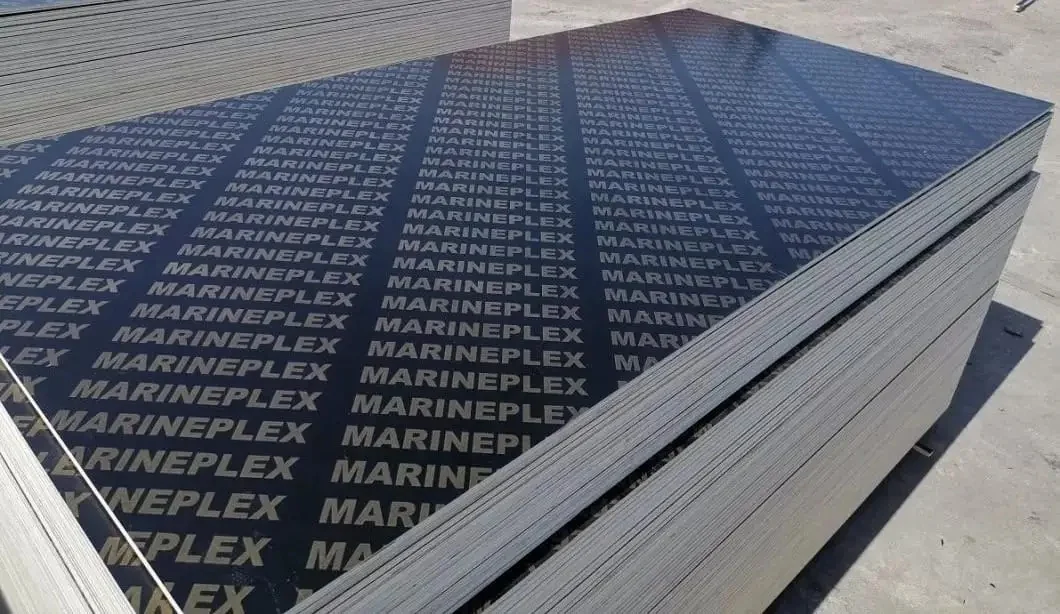
Wet season marine board storage begins before the boards arrive. Prepare a suitable protected location, agree how condition will be checked and keep new, used and disputed stock distinguishable. The word “marine” does not remove the need to verify the actual product specification, storage instructions and suitability for the intended work.
For a contractor or institutional project team, a storage plan should connect purchasing, receiving and site use. Otherwise a later dispute may be difficult to investigate: nobody can tell whether a board arrived in poor condition, became wet during storage or was damaged after issue. This guide offers a practical record system without claiming a particular board grade or service life.
Wet season marine board storage starts with specification questions
Ask the responsible professional to define the board required for the work. Record the intended use, required dimensions and any performance evidence. If the boards will form part of a temporary works arrangement, the competent designer or supervisor must determine the applicable specification and inspection criteria.
BuildSupply’s marine boards product page identifies the catalogue item and a per-piece sales unit. It does not, by itself, establish a verified grade, glue classification, treatment method, thickness or number of permitted reuses for your project. Request those details where the specification requires them.
Keep unanswered questions in the enquiry. A supplier response such as “suitable for construction” needs clarification if the design calls for a defined property. Purchasing staff should not turn a broad description into a certified performance claim. Resolve the product requirement before the delivery is accepted for the intended use.
Ask for applicable manufacturer or product handling guidance with the quotation. Where no such guidance has been supplied, record the gap and refer storage and use decisions to the responsible project professional. Do not invent a universal storage condition or assume that a label makes exposure harmless.
Wet season marine board storage: reserve a receiving area and a storage area
Receiving and storage serve different purposes. The receiving location needs room for the agreed inspection and quantity check. The storage location needs the approved protection and support arrangements. If the same area performs both roles, explain how newly delivered boards will remain identifiable while checks are completed.
Check the route between those locations. Moving boards twice because the intended store is blocked creates additional handling and another point where condition may change. Ask the site team to plan access and handling before requesting dispatch. The purchasing schedule should identify who confirms that the space is ready.
Keep the arrangements specific to the actual location. An enclosed room with a leaking roof is not automatically a suitable store. An outdoor cover is not automatically adequate because it looks waterproof. The responsible supervisor should assess drainage, weather exposure, support, ventilation and the intended period of storage.
The US Forest Products Laboratory chapter on drying and moisture control explains that storage and moisture control depend on the wood product and its use. It supports treating protection from precipitation as a real planning issue. It does not certify a BuildSupply board or replace its applicable product instructions.
Wet season marine board storage: create a condition baseline on arrival
Agree what receiving staff will record before the vehicle reaches the site. Use the order description, piece count and agreed dimensions as the baseline. Add checks for visible condition and the evidence needed for any specified property. A quick photograph of the load cannot answer every specification question.
Record the date, order reference, delivery note and person checking. If the school or contractor has separate receiving and technical acceptance roles, identify both. A person acknowledging that boards arrived should not be assumed to have approved their suitability for structural or temporary works use.
Where a discrepancy appears, describe it precisely. Identify the number of affected boards, what was observed and which requirement needs review. Avoid vague notes such as “some bad boards”. Clear evidence allows the project and supplier to discuss the same issue without relying on a later recollection.
Photograph identifiable conditions where useful, while avoiding private information or unrelated people. Connect each photograph to a batch or receiving record. Do not label supplier images as photographs of this delivery. The visual record should say what it actually shows and when it was taken.
Wet season marine board storage: keep quantity and acceptance status separate
A storage register should distinguish physically received, accepted and held quantities. Suppose a hypothetical order contains 80 boards. The site receives 50, accepts 46 and holds four for clarification. Record all three numbers rather than describing the order as either 50 accepted or four missing.
The held boards are physically present but have an unresolved status. The balance still required under the order depends on the contract and the eventual decision about those four. Keep the goods identifiable while that decision is made. Do not mix them into accepted stock simply to free the receiving area.
Use batch identifiers that the team can maintain. An elaborate numbering system is not helpful if nobody updates it. A delivery-date reference and marked storage zone may be sufficient for a small package. A larger institution may need separate references for different work fronts or contracts.
Review the balance before requesting another release. If accepted boards are available but not recorded, the purchaser may duplicate an order. If disputed boards are counted as freely available, a work team may discover the shortfall only when it starts the next task. Both problems come from an unclear stock status.
Wet season marine board storage: support and protect stock using the approved arrangements
Place boards in the storage arrangement specified or approved for the product and site. Keep the stack accessible for inspection without requiring unsafe climbing or movement. A competent supervisor should establish stable support, handling and access controls. This article does not prescribe a stack height or a lifting method.
Plan for weather reaching the edges and underside as well as the top. Covers, roof condition and ground conditions all matter to the actual storage arrangement. Do not assume that a visually dry top surface proves the whole stack remained protected. Inspect after a weather event that may have changed exposure.
The Forest Products Laboratory discussion of moisture control during storage discusses storage as a moisture-control problem. Its detailed guidance must be matched to the product and environment. Use that background to ask informed questions; do not apply a recommendation for one wood product as a blanket rule for every board.
Keep storage records proportionate to the risk and specification. If the approved process calls for measurements, use suitable equipment and competent personnel. If a check is visual, label it as visual. Do not convert a simple inspection note into an unsupported claim about moisture content, bond performance or internal condition.

Wet season marine board storage: manage issue, return and reuse as separate events
When boards leave storage, record the quantity, batch and receiving work team. Identify the intended task or work front. This creates a link between accepted receipts and material used on site. Without it, a storekeeper may be asked to explain an empty stack that was legitimately issued.
Returned boards need their own condition review. Do not put them back into new-stock totals without recording that they have been used. Keep quantities awaiting review separate from boards cleared for a further approved use. The competent person must determine whether their actual condition meets the next task’s requirements.
No universal reuse count is stated here. The number of cycles a board might tolerate depends on verified product properties, use, handling and assessed condition. A supplier’s general description should not be converted into a warranty for a particular project. Request evidence and follow the approved temporary works process where relevant.
Offcuts also need a practical classification. A small piece may be useful for a specified non-structural purpose, or it may be unsuitable for the next planned cut. Record usable pieces by meaningful dimensions if they will be counted towards another order. Do not add unrelated scraps together and call the result one available sheet.
Connect the storage plan to the cutting schedule
Prepare the approved cutting layout before deciding how many boards to release. For a hypothetical task requiring 30 identical panels, the purchasing quantity depends on verified sheet dimensions and a feasible cutting pattern. The figure 30 describes panels needed, not necessarily sheets to order.
Include saw cuts, edge trimming and approved allowances in the layout. Ask the person responsible for cutting to check whether the planned combinations fit the offered sheet. A tidy area calculation may fail if the required shapes cannot be arranged within actual sheet dimensions.
Use the formwork calculator as an estimating aid with checked inputs. The materials for formwork page can help organise the enquiry package. Neither replaces the competent professional’s specification or a task-specific cutting and temporary works plan.
If shuttering boards or cypress timber are included in the same purchase, keep their sales units separate from the marine board piece count. Each material needs its own acceptance and storage record, even when one team receives the whole delivery.
Review wet season marine board storage before each call-off
Use a short readiness review rather than relying on an inspection completed weeks earlier. Confirm that protected space is still available, supports remain suitable and the receiving team can identify the next batch. Check whether a change in the work programme has extended the expected storage period.
Weather planning should use current information. Consult the KMD seasonal outlook service, then consider local conditions and the actual site near dispatch. The forecast is a planning source, not proof that a store will remain dry or a delivery route will be accessible.
Where readiness changes, contact the supplier through the agreed order channel before dispatch where possible. Ask what adjustments can be agreed rather than assuming free postponement, storage or replacement. Keep any commercial change in writing with the relevant release reference.
For a new order, review the marine board category and send the specification and cutting requirements through the formwork bulk quote form. Request confirmation of product details, quantities, delivery feasibility and terms. No price, credit arrangement or lead time is promised in this guide.
Review wet season marine board storage after changes to the work programme. Keep wet season marine board storage records beside the relevant receiving and issue register.
For a package containing separate board types, the shuttering-board category identifies the catalogue group to keep distinct from marine board piece quantities.
Related buying guides
- Timber length schedules: compare feet, pieces and cut lists
- Building material quote comparison: find the true delivered cost
Frequently asked questions
Does “marine” mean boards can be left in the rain?
Do not make that assumption. Verify the actual product specification and handling instructions, and obtain project-specific advice about storage and use.
Should used and new boards be stored together?
Keep their condition and status distinguishable. Used boards need review before they are counted as suitable for another approved task.
Can a photograph prove a board meets the specification?
Not by itself. A photograph can support a receiving record, but required dimensions, documentation or technical checks must be addressed separately.
How many times can a marine board be reused?
No fixed count is confirmed here. Reuse depends on the verified product, its actual use and condition, and approval for the next task.
What should a quotation request include?
Include the approved specification, required dimensions, piece quantities, cutting needs, intended use and proposed receiving arrangements. Ask the supplier to clarify any missing product evidence.
Does BuildSupply guarantee replacement for wet boards?
No such guarantee is established in this guide. Record condition accurately and confirm the applicable acceptance and remedy terms on the quotation and order.