By BuildSupply Editorial Team
Boundary wall material orders should be based on the approved wall design and a measured segment register. Separate gate openings, corners and changes in wall arrangement before preparing quantities. Then link each release to the section it serves. This helps the buyer distinguish a complete boundary requirement from an immediate order, without using a simple perimeter figure as a substitute for surveying, design or approval advice.
Boundary wall material orders: start with identified wall segments
Ask the project team to mark the boundary sections using references everyone can recognise. A long frontage may contain different heights, access points or construction details. Record the applicable drawing and measured information for each segment. Do not assume every part of the boundary uses the same specification merely because it encloses one property. The authorised design, rather than the purchasing spreadsheet, determines those requirements.
Keep the legal boundary and material estimate distinct. A procurement officer should not resolve a disputed property line by ordering stones for an assumed position. Refer survey and approval questions to the responsible qualified professionals or relevant authority. Once the scope is confirmed, carry its references into the material schedule. This gives the supplier a clear enquiry and allows a committee to see which sections are included, excluded or awaiting a decision. It also reduces the risk of ordering twice for a gate section that was measured differently by two team members.
Boundary wall material orders: keep technical decisions with the authorised professional
Start with the approved specification and current drawings. Identify their references on the purchasing schedule so the supplier and reviewer can see which requirement controls. If a material property is missing, ask the responsible professional to clarify it before final offers are compared. A catalogue description can identify an item for discussion, but it does not establish the design requirement or prove suitability for a particular structural or temporary works application.
Separate product identity from evidence of performance. A name may mention a nominal size, species or treatment without supplying every detail required by the project. Request the measurements, documentation or assessment the specification calls for. Do not invent a grade, strength, origin, warranty or lifespan to make an enquiry look complete. An honest question is more useful than a precise-looking statement that nobody has verified.
Record each proposed alternative against the original requirement. State what differs, why the supplier suggests it and what evidence accompanies the proposal. Send both descriptions to the person authorised to assess technical equivalence. A cheaper offer or earlier proposed delivery does not establish equivalence. The decision should explain the approved scope and any conditions, rather than simply describing a replacement item as acceptable without a supporting reason.
Control proposed substitutions and revisions
Keep commercial approval connected to the technical decision. An adviser might approve a material conditionally, while the buyer still needs to confirm quantity, costs or timing. Conversely, a committee might approve a budget without approving a new specification. Show which decisions remain open and who must resolve them. This avoids an order being released because one approval was mistaken for a complete authorisation to proceed.
When a drawing revision changes the requirement, identify orders and stock already affected. The response may involve revising a future release, reviewing usable surplus or seeking clarification about material already delivered. Do not erase the earlier order record. Retaining its reference explains why a quantity was purchased under a specification that later changed. The project can then assess the consequence using evidence instead of assuming the original buyer made an error.
Give receiving staff the decision they need in a usable form. They should know the agreed product description, measurement basis and acceptance route, without having to interpret a long technical discussion at the gate. Where a specialist check is required, arrange for the authorised reviewer to perform it. A visual tally is valuable for quantity and condition, but it must not be represented as certification of properties it cannot establish.
Boundary wall material orders: make gate deductions and stage totals visible
For a purely illustrative rectangular frontage, suppose the approved measured length is 84 metres and two agreed gate openings are four metres each. The remaining line length is 76 metres. If the wall height included in the hypothetical estimate is 2.4 metres, the gross rectangular face area for that remaining line is 182.4 square metres. This is area arithmetic only, not a recommended boundary wall height or structural detail.
The example still does not give a stone count. Actual face dimensions, joint assumptions, bond, corners and the project’s measurement rules must be reviewed. Nor does it determine foundations or supporting elements. Keep the 84-metre measurement, eight-metre deduction and 182.4-square-metre calculation in separate fields. A later gate revision can then be traced to the affected quantity instead of being hidden within a changed project total. The reviewer should know which assumptions need confirmation before the purchase is approved.
Boundary wall material orders: choose a delivery sequence that follows the work fronts
A boundary project can have several working sections and limited internal movement space. Ask the contractor which segment is ready for material and where receiving can take place. Do not release the whole perimeter quantity solely because the project has begun. The receiving location and installation sequence may require a different arrangement from the overall estimating order. Each proposed delivery should therefore identify its segment references.
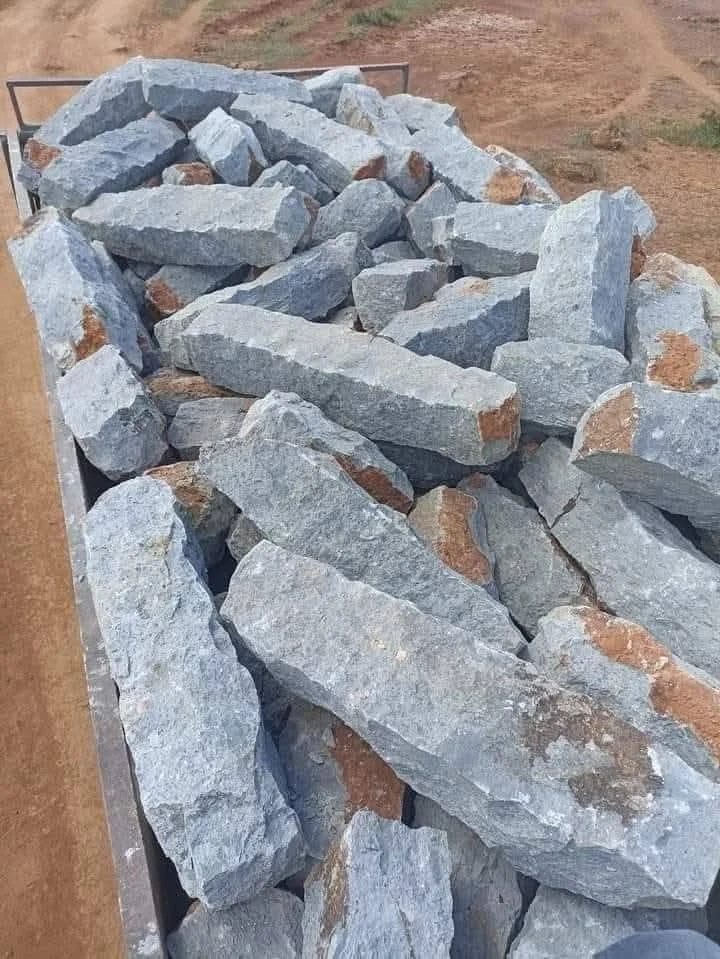
If one central stockpile serves several sections, record material issues against those sections. Otherwise a shortage at one work front can appear to be a supplier shortage when stock has actually moved elsewhere. Use the same size and unit labels on the issue record that appear on the order. For foundation stones and walling pieces, maintain distinct lines and measurement bases. A total called boundary stones may conceal the fact that one material is accepted while another has not been supplied or remains under review.
Boundary wall material orders: prepare acceptance checks before the load arrives
Prepare the receiving sheet from the actual order, using the same material descriptions and units. Include the expected quantity, delivery note reference, person checking and space for exceptions. A form written before arrival helps the team check the agreed requirement rather than reconstruct it from the load. Where a measurement or document is required, arrange for a competent person and suitable equipment to be available at the receiving point.
Name the person who may acknowledge arrival and the person who may accept the material. Those responsibilities may belong to different people. A gate contact can confirm that a vehicle arrived without having authority to accept a specification difference. Explain how the contact should reach the authorised reviewer if something is unclear. The driver should not have to negotiate an improvised acceptance process with several people giving conflicting instructions.
Record physically received, accepted and held quantities separately. If a delivery contains material awaiting review, show that it is present without counting it as cleared for use. Keep it identifiable while the issue is resolved. The outstanding order balance depends on the agreed contract and the eventual acceptance decision. Do not hide an exception by simply adjusting a total until it matches the delivery note or the original purchase quantity.
Separate physical receipt from acceptance
Use photographs as supporting evidence, with a reference that connects them to the order line and date. Where dimensions are disputed, record the agreed measurement method as well as the result. A photograph without scale or context cannot establish every material property. Similarly, a visual inspection cannot replace a specified technical test or certificate. Label the type of check performed so the record does not imply more assurance than was actually obtained.
When a difference is found, describe the observation rather than assigning blame. Identify the affected quantity, requirement and evidence, then follow the agreed review route. Confirm who will respond and how the held material should be managed in the meantime. This guide does not establish a supplier replacement, return or refund promise. Those remedies must come from the applicable quotation, order or other agreed terms.
After acceptance, update the stock register promptly and attach the receiving evidence. Make sure the team that issues materials knows which batch is available and which remains on hold. A clear handover reduces the chance of disputed material being mixed into accepted stock. At the next release review, reconcile the register with what is physically present, rather than relying on a dispatch message as proof that the previous order was completed.
Boundary wall material orders: handle changes without losing the original approval
Gate widths, final wall alignments or approved details may change during a project. Identify the affected material lines before the next release. Ask the authorised reviewer whether previously purchased stock remains suitable and whether quantities need adjustment. A material already accepted does not become automatically interchangeable with the revised specification, even when the difference seems minor to the purchasing team.
Prepare a concise variation record showing the earlier requirement, new instruction, stock affected and decision about further orders. Retain the earlier approval so the committee can understand why a quantity was bought before the change. Boundary wall material orders should give a factual account of these decisions rather than assigning a general waste percentage to every difference. When requesting another quote, provide the current segment schedule and ask the supplier to confirm the remaining questions about material measurements, destination access and delivery responsibilities.
Boundary wall material orders: review the decision before release
At the approval meeting, choose one segment that includes an opening and ask the reviewer to reproduce the deduction. Then ask whether the same gate or connection appears in another segment total. This small test can expose a repeated assumption before it reaches a supplier order. Record the correct source reference and any affected quantities. The purpose is not to impose a universal deduction rule, but to establish that the approved measurement method was applied to the actual segment register.
Next steps for boundary wall material orders
Use boundary wall material orders to connect the approved segment plan with purchasing and receiving. Send the current schedule and opening deductions with the bulk enquiry. Ask BuildSupply to confirm the offered product measurements, sales units, delivery feasibility and terms. Keep surveying, structural and approval decisions with the qualified people responsible for them.
Catalogue and buying resources
Use these catalogue entries to identify the exact lines for your enquiry. Confirm their current specification and purchasing unit in the quote:
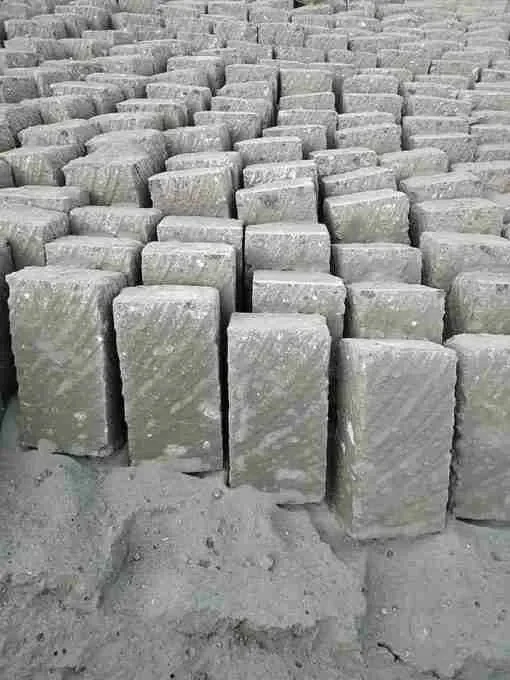
- 6" Machine Cut Stones (dalugo) — listed purchasing unit: piece.
- 9" Machine Cut Stones — listed purchasing unit: piece.
- Foundation Stones — listed purchasing unit: length.
Browse the relevant ranges: Machine Cut Stones, Foundation Stones.
Set out the work package on the boundary materials page and send the approved schedule with a bulk quotation enquiry. Ask the supplier to confirm feasibility, timing and commercial terms for your actual destination.
For the supporting buying process, read Building material quote comparison: find the true delivered cost, and Stone quantity estimates: reconcile wall area and purchase units.
Frequently asked questions
Is multiplying the perimeter by wall height enough?
It gives only a starting area under stated assumptions. Openings, changes in wall arrangement, actual stone measurements and approved details still need review.
Can I use this guide to decide the wall alignment?
No. Confirm boundaries and approvals through the responsible professionals and relevant bodies before treating the alignment as an authorised purchasing scope.
Does the example recommend a 2.4-metre boundary wall?
No. That height is an arbitrary arithmetic input. It is not a recommendation for a particular property or structure.
Should each delivery identify a wall segment?
Where the project is phased by section, segment references help explain the purpose of each release and reconcile material issues between work fronts.
Can foundation stones and walling pieces use one order total?
Keep them separate when their specifications or sales units differ. A combined figure cannot establish compliance for each requirement.
What happens if the gate design changes after ordering?
Record the approved revision and ask the technical team to assess material already purchased before changing further quantities or accepting substitutions.
References
Official background resources for the relevant procurement, weather or wood-care questions discussed above. They do not certify a catalogue item or confirm this supplier’s terms.