By BuildSupply Editorial Team
Termite aware timber buying means asking for the specification and evidence needed for the actual use, rather than choosing material from a label or colour. The responsible professional must assess the project’s exposure and required protection. A buyer can then communicate that requirement clearly, request the relevant product information and keep accepted stock distinguishable from timber whose suitability remains unresolved.
Termite aware timber buying: start with the intended use and professional requirement
Identify whether the material is intended for an approved permanent building element, a fencing task or another defined use. Do not assume that one product description meets every application. The project’s qualified adviser should specify the properties and evidence required, taking account of the actual conditions. A purchasing guide should not prescribe a universal treatment or replace a competent assessment of biological risk.
Ask the adviser to express the requirement in a form the supplier can answer. Where treatment or another protective measure is necessary, identify what documentation or assessment establishes compliance for the actual product. Avoid broad enquiries asking only for termite-proof timber. That phrase can imply an absolute performance promise without defining the material, use or evidence. A precise question helps the supplier respond accurately and allows the buyer to record whether the required information has been supplied.
Termite aware timber buying: keep technical decisions with the authorised professional
Start with the approved specification and current drawings. Identify their references on the purchasing schedule so the supplier and reviewer can see which requirement controls. If a material property is missing, ask the responsible professional to clarify it before final offers are compared. A catalogue description can identify an item for discussion, but it does not establish the design requirement or prove suitability for a particular structural or temporary works application.
Separate product identity from evidence of performance. A name may mention a nominal size, species or treatment without supplying every detail required by the project. Request the measurements, documentation or assessment the specification calls for. Do not invent a grade, strength, origin, warranty or lifespan to make an enquiry look complete. An honest question is more useful than a precise-looking statement that nobody has verified.
Record each proposed alternative against the original requirement. State what differs, why the supplier suggests it and what evidence accompanies the proposal. Send both descriptions to the person authorised to assess technical equivalence. A cheaper offer or earlier proposed delivery does not establish equivalence. The decision should explain the approved scope and any conditions, rather than simply describing a replacement item as acceptable without a supporting reason.
Control proposed substitutions and revisions
Keep commercial approval connected to the technical decision. An adviser might approve a material conditionally, while the buyer still needs to confirm quantity, costs or timing. Conversely, a committee might approve a budget without approving a new specification. Show which decisions remain open and who must resolve them. This avoids an order being released because one approval was mistaken for a complete authorisation to proceed.
When a drawing revision changes the requirement, identify orders and stock already affected. The response may involve revising a future release, reviewing usable surplus or seeking clarification about material already delivered. Do not erase the earlier order record. Retaining its reference explains why a quantity was purchased under a specification that later changed. The project can then assess the consequence using evidence instead of assuming the original buyer made an error.
Give receiving staff the decision they need in a usable form. They should know the agreed product description, measurement basis and acceptance route, without having to interpret a long technical discussion at the gate. Where a specialist check is required, arrange for the authorised reviewer to perform it. A visual tally is valuable for quantity and condition, but it must not be represented as certification of properties it cannot establish.
Termite aware timber buying: do not promote a catalogue label into a certificate
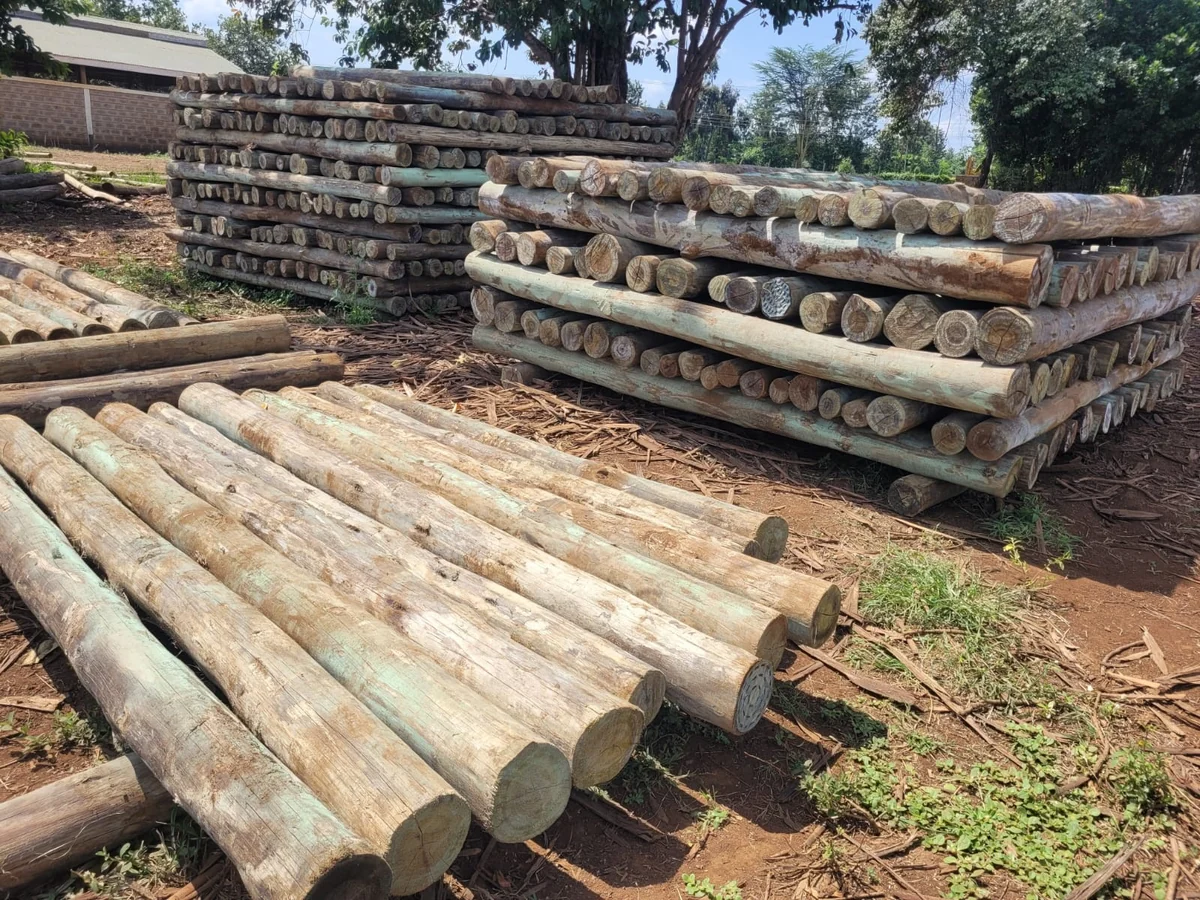
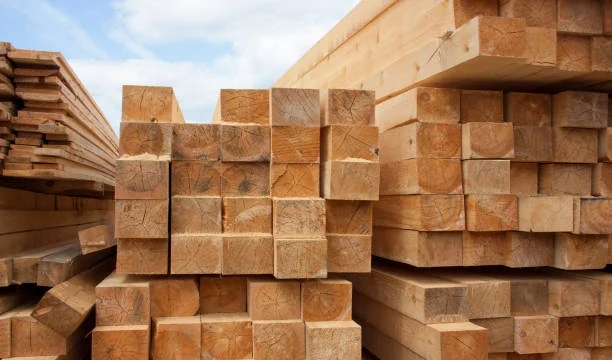
BuildSupply lists timber products and treated round pole descriptions. The catalogue does not establish every treatment process, retention, penetration result, certification or service life for those items. Request the information required by the project and have it reviewed before treating it as a confirmed performance claim. Do not invent a warranty to make the order sound complete.
An observed colour, smell or surface appearance should not replace the required evidence. Likewise, a product photograph cannot prove internal properties or treatment adequacy. The receiving process should distinguish a visible condition check from documentary or technical assessment. Ask who is competent to resolve a question that the receiving team cannot establish. This gives the material a fair, evidence-based review without assuming either that it is suitable or that it must be rejected because a buyer lacks the required information.
Termite aware timber buying: use a documentary hold as a distinct stock status
Imagine an illustrative delivery of 90 specified pieces. The receiving team confirms 90 physically present, but documentation for 24 pieces remains subject to the project’s required review. If the authorised process places those pieces on hold, show 66 cleared and 24 pending rather than describing all 90 as available for the next task. The exact review outcome must follow the actual specification and contract.
The example does not claim that missing paperwork always makes timber defective, or that this is a real BuildSupply delivery. It illustrates why physical receipt and clearance should remain distinct. When the required evidence is resolved, update the status against the original batch. Do not create an unexplained adjustment that hides the decision. Before another purchase, review whether the held material has been cleared and whether the next requirement calls for the same specification and use.
Termite aware timber buying: maintain a record that survives project handovers
Choose one reference structure for the project and use it on enquiries, approvals, orders and receiving records. A colleague taking over should be able to follow the sequence without searching several unrelated message threads. Keep the original documents alongside summaries. The summary helps a committee make a decision, but it should not replace the evidence showing what was requested, offered and ultimately agreed.
Distinguish a forecast requirement from an authorised order and an accepted delivery. Those figures answer different questions. A project may have a large planned scope, a smaller committed order and only part of that order accepted so far. Combining them under a heading such as materials procured makes the position unclear. Label each balance explicitly and explain the basis used in any report to a funder, committee or commercial manager.
Track material issued to work fronts after receipt. A receiving register records stock coming in; it does not explain what has been installed, transferred or returned. Use issue references that connect significant movements to the relevant work package. The level of detail should suit the project, but the register must allow a reasonable explanation of the difference between accepted receipts and stock remaining in the store.
Reconcile balances using consistent references
Review unexplained differences while the people and evidence are still available. Check for duplicate requisitions, unit mismatches, omitted transfers and outstanding quality holds before assigning a cause. A discrepancy is a question to investigate, not automatic proof of theft, breakage or supplier shortage. Record the confirmed explanation and the person authorising any adjustment. Do not simply overwrite a balance until the arithmetic appears tidy.
Where an exception affects payment or further supply, keep its commercial status visible. State what has been acknowledged, what remains disputed and which document governs the next action. Avoid recording a remedy as agreed before the supplier or authorised project representative has confirmed it. A clear issue log lets the next person continue the discussion accurately without making a new promise or reopening a point that was already resolved.
At a phase or committee handover, provide a short closing statement with outstanding orders, accepted stock, held material and unresolved decisions. Include the location of supporting documents and the names of responsible contacts. This is more useful than a folder full of unidentified photographs. The handover should make the next action clear while preserving the distinction between observations, approvals and commercial commitments.
Termite aware timber buying: connect the evidence trail to later handling and use
Retain the accepted product description, relevant documents and review reference with the batch. If pieces are transferred between work fronts, preserve their identity sufficiently for the receiving team to know what was cleared. Do not assume a material approved for one defined use automatically meets a different exposure or structural requirement. Refer the change through the authorised technical process.
Termite aware timber buying also means avoiding improvised remedial instructions. A procurement article should not direct unqualified staff to apply chemicals, select a treatment process or make unsupported promises about protection. Ask the responsible professional for the appropriate next action if condition or evidence raises a question. The buyer can keep that action traceable, request a factual supplier response and prevent unreviewed material being counted as cleared stock. Those records support a reliable order without pretending that a shop label alone settles the project’s performance requirements.
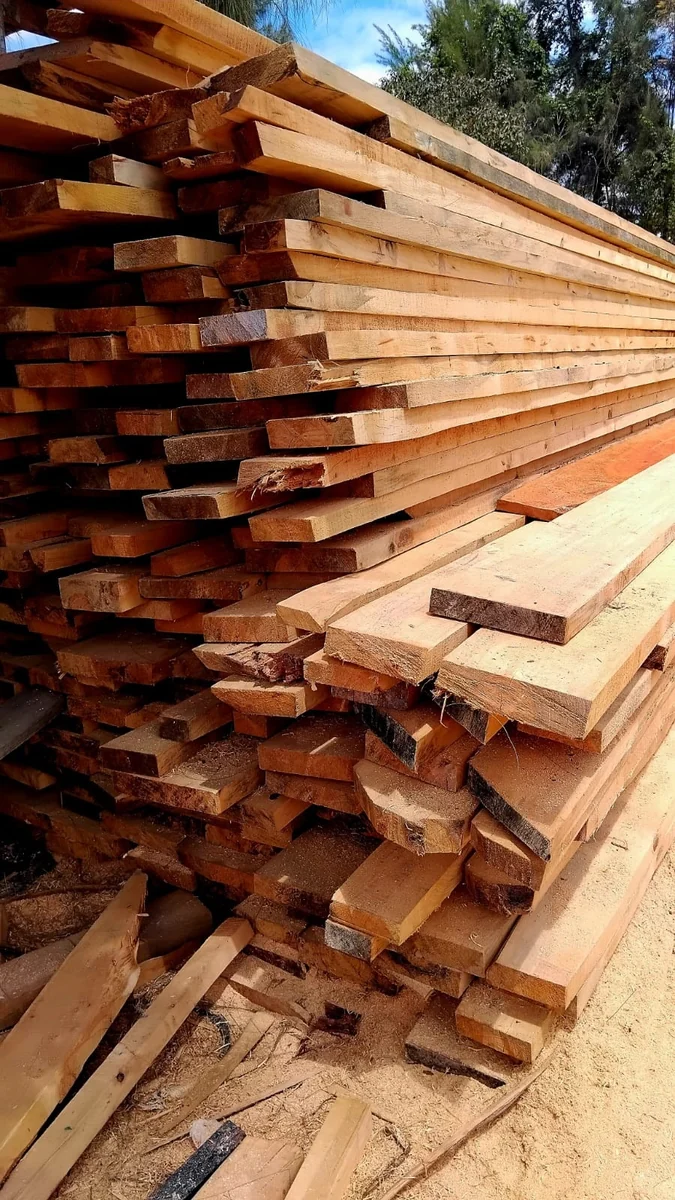
Termite aware timber buying: review the decision before release
Before approving the material line, ask the technical reviewer what evidence would establish the specified protection for the intended use and whether that evidence is actually present. Record the answer against the offered product, not just the supplier’s general description. If something remains unclear, identify the next review rather than inventing a certificate or an absolute performance promise. The buying process can then proceed on a defined requirement while preserving a fair distinction between an information gap and a confirmed material defect.
Next steps for termite aware timber buying
Use termite aware timber buying to turn a professionally defined requirement into clear supplier questions. Ask BuildSupply for the offered material details and relevant evidence, then follow the project’s approved acceptance process. No treatment method, absolute termite resistance, certification, warranty or lifespan is asserted for the catalogue products here.
Catalogue and buying resources
Use these catalogue entries to identify the exact lines for your enquiry. Confirm their current specification and purchasing unit in the quote:
- Treated Round Pole 3–4 inch — listed purchasing unit: piece.
- Cypress Timber 2×4 — listed purchasing unit: foot.
- Pine Timber 2×4 — listed purchasing unit: foot.
Browse the relevant ranges: Round Poles, Timber.
Set out the work package on the fencing materials page and send the approved schedule with a bulk quotation enquiry. Ask the supplier to confirm feasibility, timing and commercial terms for your actual destination.
For the supporting buying process, read Building material quote comparison: find the true delivered cost, and Timber length schedules: compare feet, pieces and cut lists.
Frequently asked questions
Does treated mean the same thing for every timber use?
Do not assume so. The actual product, treatment evidence and approved use need to match the project’s specification.
Can this article choose a termite treatment for my project?
No. Ask the responsible qualified professional to assess the requirement and appropriate product evidence.
Can a photograph or colour prove treatment adequacy?
No such proof is established here. Use the documentation or technical assessment required by the specification.
Does a documentary hold prove material is defective?
Not automatically. It means the required review remains unresolved under the project’s actual process.
Can timber cleared for one use be transferred to any other task?
Only after checking that its specification and condition meet the next approved requirement.
Does BuildSupply promise termite-proof timber or a fixed lifespan here?
No. Those absolute performance and service-life claims have not been confirmed and are not made in this guide.
References
Official background resources for the relevant procurement, weather or wood-care questions discussed above. They do not certify a catalogue item or confirm this supplier’s terms.