By BuildSupply Editorial Team
Marine board cutting plans should show how the required panel shapes fit the actual offered sheet dimensions, including the cutting assumptions that affect usable yield. Dividing total panel area by nominal sheet area is only a preliminary check. Before ordering, have the layout reviewed for the approved task and keep new sheets, usable remnants and any separately authorised allowance distinct in the purchasing schedule.
Marine board cutting plans: define the panels before counting sheets
Ask the responsible project team to list each required panel shape, dimension and quantity. Identify any orientation or product requirement that the approved task imposes. A request for boards by total area leaves the cutting reviewer unable to test whether the shapes can actually be produced. Keep the panel requirement separate from the supplier’s per-piece sheet description.
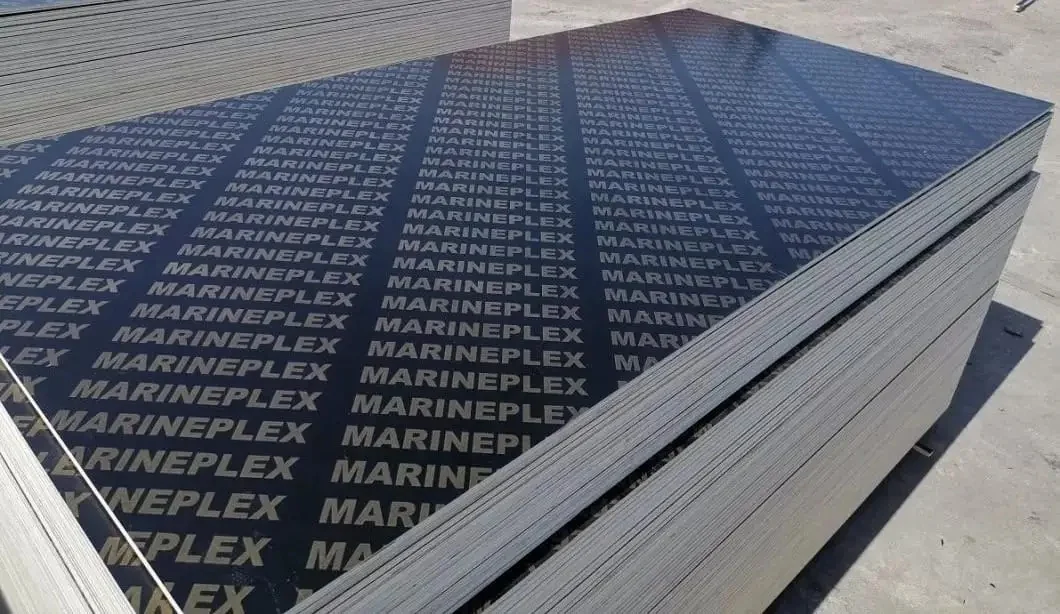
Obtain the actual offered sheet measurements and relevant product evidence. The BuildSupply marine board listing does not by itself confirm every thickness, grade, bond classification or performance property. Do not fill those gaps with assumptions from a photograph. If the boards form part of a temporary works arrangement, the competent professional must approve the applicable requirement. A cutting calculation helps the buyer communicate quantities; it does not establish structural suitability or an approved formwork system.
Marine board cutting plans: keep technical decisions with the authorised professional
Start with the approved specification and current drawings. Identify their references on the purchasing schedule so the supplier and reviewer can see which requirement controls. If a material property is missing, ask the responsible professional to clarify it before final offers are compared. A catalogue description can identify an item for discussion, but it does not establish the design requirement or prove suitability for a particular structural or temporary works application.
Separate product identity from evidence of performance. A name may mention a nominal size, species or treatment without supplying every detail required by the project. Request the measurements, documentation or assessment the specification calls for. Do not invent a grade, strength, origin, warranty or lifespan to make an enquiry look complete. An honest question is more useful than a precise-looking statement that nobody has verified.
Record each proposed alternative against the original requirement. State what differs, why the supplier suggests it and what evidence accompanies the proposal. Send both descriptions to the person authorised to assess technical equivalence. A cheaper offer or earlier proposed delivery does not establish equivalence. The decision should explain the approved scope and any conditions, rather than simply describing a replacement item as acceptable without a supporting reason.
Control proposed substitutions and revisions
Keep commercial approval connected to the technical decision. An adviser might approve a material conditionally, while the buyer still needs to confirm quantity, costs or timing. Conversely, a committee might approve a budget without approving a new specification. Show which decisions remain open and who must resolve them. This avoids an order being released because one approval was mistaken for a complete authorisation to proceed.
When a drawing revision changes the requirement, identify orders and stock already affected. The response may involve revising a future release, reviewing usable surplus or seeking clarification about material already delivered. Do not erase the earlier order record. Retaining its reference explains why a quantity was purchased under a specification that later changed. The project can then assess the consequence using evidence instead of assuming the original buyer made an error.
Give receiving staff the decision they need in a usable form. They should know the agreed product description, measurement basis and acceptance route, without having to interpret a long technical discussion at the gate. Where a specialist check is required, arrange for the authorised reviewer to perform it. A visual tally is valuable for quantity and condition, but it must not be represented as certification of properties it cannot establish.
Marine board cutting plans: test a layout with explicit hypothetical dimensions
For arithmetic only, suppose a sheet is 2.4 metres by 1.2 metres and the requirement calls for panels 1.2 metres by 0.6 metres. Ignoring saw cuts and trimming, a simple arrangement appears to yield four panels. The theoretical sheet area is 2.88 square metres and the four panel areas total the same amount. That exact fit leaves no room for cutting losses or any unusable edge.
These invented dimensions are not a specification for BuildSupply boards. They show why an attractive area ratio can fail a practical layout. The reviewer must account for the actual offered dimensions, cutting equipment, trimming and approved panel orientation. If the checked arrangement changes the yield, explain the reason in the order calculation rather than describing all additional sheets as unexplained waste. Keep the net panel list, cutting plan and final purchase quantity together so a second reviewer can reproduce the decision.
Marine board cutting plans: count usable remnants by shape and condition
Existing offcuts may reduce a new purchase if they can produce the required panels and are suitable for the intended use. Record meaningful dimensions and the clearance status of each useful group. Adding the area of several small scraps does not prove that they can supply one larger panel. A store register should not hide that difference under a combined board-area figure.
Suppose a hypothetical requirement needs ten rectangular panels of one approved size. The store has remnants whose total area equals four panels, but only two complete panels fit the actual shapes. The supported deduction is based on the feasible cleared cuts, not the larger area total. The example does not choose the panel size or approve reuse. Ask the responsible reviewer to decide which pieces are suitable and preserve that reference with the new order calculation.
Marine board cutting plans: turn the requirement into a comparable enquiry
Give each supplier the same enquiry revision. State the required material, purchasing unit, quantity and delivery destination on separate lines. Attach the specification references that explain the requirement, and identify who can answer technical questions. Avoid relying on a product photograph to communicate a dimension, performance requirement or included service. If a clarification changes the scope, record the change and make sure the offers being compared address the updated requirement.
Build a comparison with columns for the material, tax treatment, transport, offloading and other relevant responsibilities. An unanswered item should remain an open question rather than becoming a zero. Two quotations can show similar totals while covering different work. For example, transport to a gate and movement to an internal storage area are different scopes. Ask what each offer includes before treating a price difference as a saving.
Keep commercial preferences separate from technical compliance. A convenient delivery arrangement does not establish that a material matches the approved specification. Where a supplier offers an alternative, identify the exact difference and refer it to the authorised technical reviewer. The reviewer should see the original requirement and the proposed alternative together, with any supporting evidence. Purchasing staff should not approve a structural or performance change simply to complete the comparison.
Resolve differences before approving an order
Ask the supplier to state how long the quotation remains valid and which quantities it covers. An enquiry for a whole project is not necessarily a commitment to purchase the whole project. Distinguish the quantity proposed for immediate release from a later estimate. Confirm any payment method, LPO acceptance, credit request or discount in writing; none is established by this guide. Retain the response with the relevant offer and order reference.
Present an approval recommendation that identifies the preferred offer, its scope and unresolved conditions. Attach the original quotations rather than replacing them with an unexplained summary. A reviewer should be able to trace the recommended total to the enquiry and written clarifications. If a question remains material to the decision, identify the person responsible for resolving it and avoid representing the order as ready for release.
Finally, keep a dated copy of the schedule that was actually approved. The working spreadsheet may continue to change, but the issued order needs a stable reference. Mark later changes as revisions or variations and retain the earlier version. This gives the supplier, committee and receiving team a shared baseline when they discuss quantities, timing or an exception. The aim is a clear decision trail, not a complicated filing system.
Marine board cutting plans: separate cutting losses from design changes
A changed panel schedule can alter sheet quantities even when the gross area looks similar. Identify which shapes, counts or approved requirements changed and revise the layout accordingly. Do not simply increase the original order by a familiar percentage. The next enquiry should carry the current panel list and cutting basis rather than an obsolete total from an earlier version.
Marine board cutting plans should also explain any additional contingency that the project approves. Keep it separate from the calculated sheet yield so a committee can distinguish planned cutting loss from uncertainty or a later change. At receiving, verify the agreed dimensions and documentation before relying on the layout. If the actual supplied sheet differs, refer the discrepancy through the approved process; do not silently alter the cutting plan and assume the commercial order still provides the same scope.

Marine board cutting plans: review the decision before release
Ask the cutting reviewer to demonstrate one complete panel layout using the confirmed offered sheet measurements. Include the cuts and edge treatment assumed in that working, and identify any remnants proposed for another panel. A second reviewer should be able to see why the planned yield is feasible without relying on total area alone. Keep the demonstration with the purchase calculation so a later change in sheet dimensions or panel shape has a clear route back to the affected quantity.
Next steps for marine board cutting plans
Prepare marine board cutting plans from the approved panel requirement and confirmed offered sheet dimensions. Attach the reviewed layout and allowance basis to the BuildSupply enquiry. Ask for the product details, piece quantity and full quotation terms, while leaving temporary works and product-performance decisions with the responsible qualified professional.
Catalogue and buying resources
Use these catalogue entries to identify the exact lines for your enquiry. Confirm their current specification and purchasing unit in the quote:
- Marine Boards — listed purchasing unit: piece.
- Shuttering Board 1×8 — listed purchasing unit: foot.
- Cypress Timber 2×4 — listed purchasing unit: foot.
Browse the relevant ranges: Marine Boards, Shutters, Timber.
Set out the work package on the formwork materials page and send the approved schedule with a bulk quotation enquiry. Ask the supplier to confirm feasibility, timing and commercial terms for your actual destination.
For the supporting buying process, read Building material quote comparison: find the true delivered cost, and Timber length schedules: compare feet, pieces and cut lists.
Frequently asked questions
Does total panel area divided by sheet area establish the order?
No. Check that actual shapes fit with the relevant saw cuts, trimming, orientation and usable sheet dimensions.
Are 2.4 by 1.2 metres confirmed BuildSupply sheet dimensions?
No. They are invented inputs for the worked example. Confirm actual offered measurements on the quotation.
Can scraps be combined by area to count as full panels?
Not automatically. The required panel shapes must fit actual usable remnants cleared for the intended task.
Is every extra sheet a waste allowance?
No. Distinguish calculated cutting yield, approved contingency and changes to the panel requirement.
Can this guide approve board reuse in formwork?
No. The competent professional must assess suitability and approve the relevant temporary works requirement.
What if delivered dimensions differ from the cutting plan?
Record the discrepancy and seek the authorised technical and commercial decision before treating the changed material as equivalent.
References
Official background resources for the relevant procurement, weather or wood-care questions discussed above. They do not certify a catalogue item or confirm this supplier’s terms.