By BuildSupply Editorial Team
Rental project material orders should preserve the differences between blocks and units, even where much of the design repeats. Check the current drawings, approved openings and shared works before multiplying a sample quantity. Then distinguish material allocated to a block from common project stock. Repetition can simplify a schedule, but it should not hide revisions, duplicate requisitions or movement between work fronts.
Rental project material orders: choose the right basis for a repeated quantity
Ask the quantity surveyor which parts of the approved design genuinely repeat. Some units may have different openings, end conditions, roof details or shared elements. Mark those differences before applying a multiplier. A procurement spreadsheet should show the source unit and the exclusions so another reviewer can follow the quantity basis.
Keep common works outside the repeated-unit total where the approved schedule measures them separately. Otherwise an element serving several units may be counted once per unit by mistake. Conversely, assuming every requirement is shared may omit material actually needed at individual blocks. The project’s approved measurement method should settle those distinctions. The purchasing team should record the result rather than selecting whichever approach produces the lower estimate or the simplest comparison sheet.
Rental project material orders: release quantities against an agreed work programme
Divide the approved requirement into recognisable work packages. Each release should identify what it serves, its material lines and the person requesting it. The total project estimate can remain visible, but show which portion is authorised now. A plan to buy later does not establish an order or reserve stock. Ask the supplier to confirm the actual arrangements and avoid presenting an anticipated future quantity as a completed purchasing commitment.
For each package, record when the site expects to need the material, when approval is required and when supplier confirmation must be obtained. These are different planning events. A date in an internal programme is not a delivery promise from BuildSupply. If one event moves, review the others rather than assuming the same release still works. Keep the latest agreed timing connected to the order reference so the receiving team sees it.
Use site readiness as a release condition. A work team may be ready to install material while the receiving area is still occupied by another trade. Conversely, a clear storage area does not mean the technical specification is final. Ask the project manager to confirm both readiness and approved scope. If either is unresolved, record the decision needed before dispatch, together with the person authorised to give that instruction.
Keep commitments and future estimates distinct
Compare the cost of a proposed release using the complete agreed scope. Do not assume that splitting one delivery into several will retain the same commercial terms. Ask about transport, handling and quotation validity for the proposed sequence. Keep any confirmed charge basis with the comparison. Where the supplier has not answered, identify the uncertainty rather than using a convenient estimate as though it were an agreed price.
Review the next package against accepted receipts and available stock. Surplus from one phase may be useful elsewhere, but its specification and condition still need to match the next task. Identify the proposed transfer and obtain the necessary approval. Counting every remaining item as freely interchangeable can hide a shortage in the particular size or condition needed. A release review should therefore consider usable stock, not just a combined total.
Close each phase with a short reconciliation of the authorised requirement, orders, accepted deliveries, issues and remaining balances. Explain confirmed changes while the team still has the supporting records. The review can be a single sheet for a small package or a linked register for a larger project. Its purpose is to give the next phase a reliable starting position, without treating an unexplained difference as either automatic waste or supplier failure.
Rental project material orders: calculate a hypothetical total with a visible exception
Imagine a reviewed schedule showing 420 specified walling pieces for each of six repeated units, while a separately checked end condition adds 60 pieces to the overall package. The illustrative total is 2,580 pieces: six times 420, plus 60 once. Those inputs are arbitrary and do not describe a real unit design or a standard stone requirement.
If the extra 60 were mistakenly added to every unit, the total would become 2,880 pieces. The 300-piece difference would arise from an estimating assumption, not necessarily supplier performance or site loss. Keep the repeated basis and one-off adjustment in distinct columns. When an authorised drawing revision changes the end condition, the quantity reviewer can update that line without rewriting every unit quantity or leaving the committee unable to explain why the total moved.

Rental project material orders: control common stock without losing block accountability
Where one store supplies several blocks, identify accepted stock by material specification and record issues to the relevant block. A pooled balance can be convenient, but it must still show significant allocations and returns. Otherwise a block running short may trigger a new order while suitable material remains allocated elsewhere.
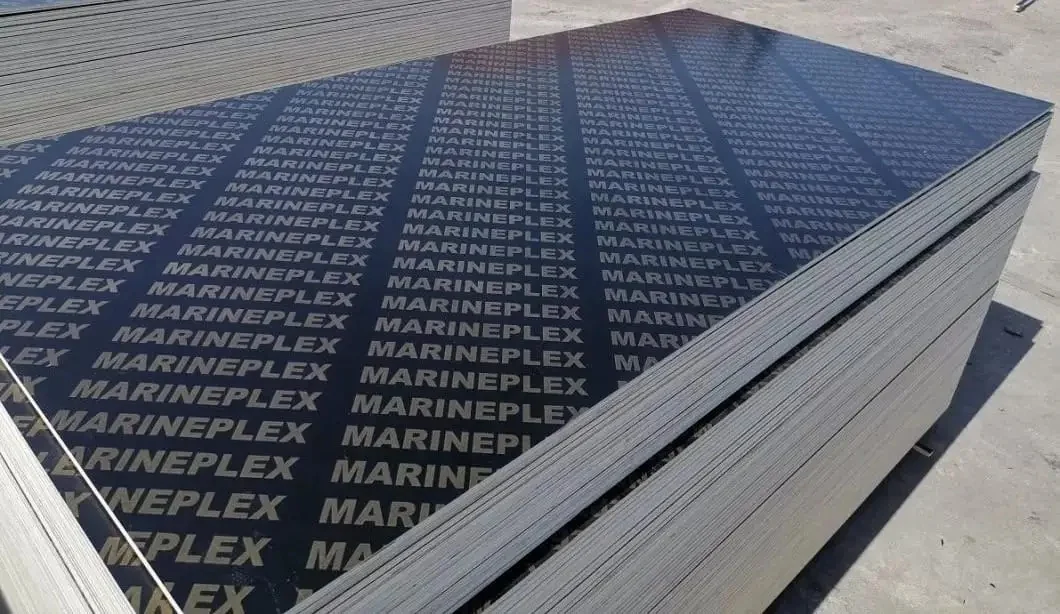
Do not treat every returned item as identical to new stock. Used boards, partial lengths and material awaiting review need meaningful descriptions and status. Ask the responsible professional which stock is suitable for the next approved task before deducting it from a purchase request. Keep that clearance with the register. The aim is not to create a complicated system for every small movement; it is to preserve enough information to explain why one work front needs more of a particular material.
Rental project material orders: maintain a record that survives project handovers
Choose one reference structure for the project and use it on enquiries, approvals, orders and receiving records. A colleague taking over should be able to follow the sequence without searching several unrelated message threads. Keep the original documents alongside summaries. The summary helps a committee make a decision, but it should not replace the evidence showing what was requested, offered and ultimately agreed.
Distinguish a forecast requirement from an authorised order and an accepted delivery. Those figures answer different questions. A project may have a large planned scope, a smaller committed order and only part of that order accepted so far. Combining them under a heading such as materials procured makes the position unclear. Label each balance explicitly and explain the basis used in any report to a funder, committee or commercial manager.
Track material issued to work fronts after receipt. A receiving register records stock coming in; it does not explain what has been installed, transferred or returned. Use issue references that connect significant movements to the relevant work package. The level of detail should suit the project, but the register must allow a reasonable explanation of the difference between accepted receipts and stock remaining in the store.
Reconcile balances using consistent references
Review unexplained differences while the people and evidence are still available. Check for duplicate requisitions, unit mismatches, omitted transfers and outstanding quality holds before assigning a cause. A discrepancy is a question to investigate, not automatic proof of theft, breakage or supplier shortage. Record the confirmed explanation and the person authorising any adjustment. Do not simply overwrite a balance until the arithmetic appears tidy.
Where an exception affects payment or further supply, keep its commercial status visible. State what has been acknowledged, what remains disputed and which document governs the next action. Avoid recording a remedy as agreed before the supplier or authorised project representative has confirmed it. A clear issue log lets the next person continue the discussion accurately without making a new promise or reopening a point that was already resolved.
At a phase or committee handover, provide a short closing statement with outstanding orders, accepted stock, held material and unresolved decisions. Include the location of supporting documents and the names of responsible contacts. This is more useful than a folder full of unidentified photographs. The handover should make the next action clear while preserving the distinction between observations, approvals and commercial commitments.
Rental project material orders: distinguish a variation from an unexplained overrun
If a contractor requests an additional load, ask which approved block requirement changed or which reconciliation shows the need. Compare the request with current drawings, accepted deliveries and material issues. Do not automatically apply the original per-unit total again, especially after a change in unit mix or construction sequence.
Rental project material orders should show whether the extra quantity relates to an approved design change, a corrected calculation, unusable stock or another confirmed cause. Retain the evidence and approval for the adjustment. This gives the commercial team a factual basis for assessing cost without assuming every difference is waste. It also helps later blocks benefit from a verified correction while avoiding a blanket quantity increase that has not been checked against their own approved details.

Rental project material orders: review the decision before release
Before copying a repeated-unit quantity into the next order, ask the reviewer to identify one end condition, shared element or revised opening that does not follow the basic multiplier. Keep that exception beside the unit schedule. If the project has no such difference, record the actual basis for that conclusion rather than assuming uniformity. This gives later reviewers a useful explanation for why the multiplier was considered appropriate and where a future design revision should be applied.
Next steps for rental project material orders
Prepare rental project material orders with the checked repeated-unit basis, separate shared works and block release schedule. Ask BuildSupply to confirm the specified products, purchasing units, quantities and complete quotation scope. Keep actual prices, discounts, payment arrangements and delivery timing subject to written confirmation for the order.
Catalogue and buying resources
Use these catalogue entries to identify the exact lines for your enquiry. Confirm their current specification and purchasing unit in the quote:
- 6" Machine Cut Stones (dalugo) — listed purchasing unit: piece.
- Stone Coated Roofing Tiles — listed purchasing unit: piece.
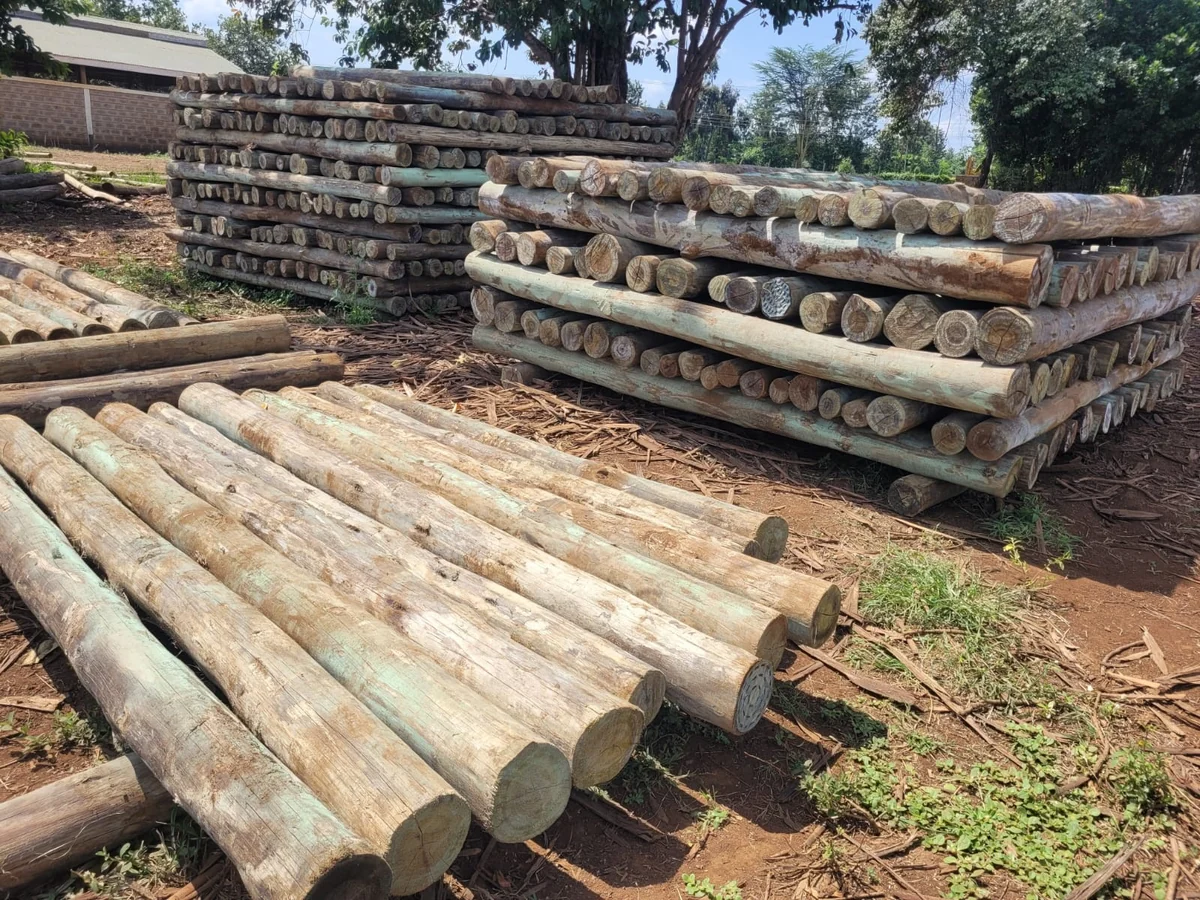
- Cypress Timber 2×4 — listed purchasing unit: foot.
Browse the relevant ranges: Machine Cut Stones, Tiles, Timber.
Set out the work package on the rental materials page and send the approved schedule with a bulk quotation enquiry. Ask the supplier to confirm feasibility, timing and commercial terms for your actual destination.
For the supporting buying process, read Building material quote comparison: find the true delivered cost, and Stone quantity estimates: reconcile wall area and purchase units.
Frequently asked questions
Can I multiply one unit’s stone count by every unit?
Only after the responsible quantity reviewer confirms what repeats and identifies differences or shared works that need separate treatment.
What is the purpose of the 60-piece adjustment in the example?
It illustrates a one-off measured condition. It is not a real project quantity or a recommendation for a rental unit.
Should common stock still have block issue records?
Yes, where significant movements affect accountability. The register needs to connect shared receipts with allocations and remaining suitable material.
Can returned boards count as new usable stock?
Not automatically. Record their condition and obtain review for the next intended use before deducting them from a purchase.
Does every extra request mean the original estimate was wrong?
No. Investigate the approved scope, quantities, issues and condition records before assigning a confirmed cause.
What should accompany a variation request?
Provide the affected work reference, revised requirement, quantity calculation, stock review and the authorisation required by the project.
References
Official background resources for the relevant procurement, weather or wood-care questions discussed above. They do not certify a catalogue item or confirm this supplier’s terms.