
By BuildSupply Editorial Team
Institutional material orders need a clear chain from specification and committee approval to receiving and acceptance. Identify who may make each decision before a supplier is asked to deliver. Then keep the approved material schedule and commercial terms available to the receiving team. A signature showing that a load arrived should not be confused with authority to change the specification or accept an unresolved exception.
Institutional material orders: draw the decision map before comparing offers
List the people or roles responsible for the technical specification, quantity review, commercial comparison, order approval and receiving process. One person may hold more than one role, but the record should still distinguish the decision being made. This helps a school, hospital, faith organisation or other institution avoid treating a general budget approval as an instruction to accept any material offered.
Ask each role what evidence it needs. The technical reviewer may need product documentation; the finance team may need the precise committed scope; the receiver needs usable descriptions and acceptance instructions. Do not expect all of those decisions to be reconstructed from a committee minute on delivery day. Prepare a short order pack that connects the approved schedule, supplier response and named contacts, with unresolved matters visibly separated from agreed requirements.
Institutional material orders: turn the requirement into a comparable enquiry
Give each supplier the same enquiry revision. State the required material, purchasing unit, quantity and delivery destination on separate lines. Attach the specification references that explain the requirement, and identify who can answer technical questions. Avoid relying on a product photograph to communicate a dimension, performance requirement or included service. If a clarification changes the scope, record the change and make sure the offers being compared address the updated requirement.
Build a comparison with columns for the material, tax treatment, transport, offloading and other relevant responsibilities. An unanswered item should remain an open question rather than becoming a zero. Two quotations can show similar totals while covering different work. For example, transport to a gate and movement to an internal storage area are different scopes. Ask what each offer includes before treating a price difference as a saving.
Keep commercial preferences separate from technical compliance. A convenient delivery arrangement does not establish that a material matches the approved specification. Where a supplier offers an alternative, identify the exact difference and refer it to the authorised technical reviewer. The reviewer should see the original requirement and the proposed alternative together, with any supporting evidence. Purchasing staff should not approve a structural or performance change simply to complete the comparison.
Resolve differences before approving an order
Ask the supplier to state how long the quotation remains valid and which quantities it covers. An enquiry for a whole project is not necessarily a commitment to purchase the whole project. Distinguish the quantity proposed for immediate release from a later estimate. Confirm any payment method, LPO acceptance, credit request or discount in writing; none is established by this guide. Retain the response with the relevant offer and order reference.
Present an approval recommendation that identifies the preferred offer, its scope and unresolved conditions. Attach the original quotations rather than replacing them with an unexplained summary. A reviewer should be able to trace the recommended total to the enquiry and written clarifications. If a question remains material to the decision, identify the person responsible for resolving it and avoid representing the order as ready for release.
Finally, keep a dated copy of the schedule that was actually approved. The working spreadsheet may continue to change, but the issued order needs a stable reference. Mark later changes as revisions or variations and retain the earlier version. This gives the supplier, committee and receiving team a shared baseline when they discuss quantities, timing or an exception. The aim is a clear decision trail, not a complicated filing system.
Institutional material orders: use a decision table to explain a partial delivery
Suppose an illustrative institutional order covers 600 specified pieces. A first delivery brings 240. The receiving team counts 230 against the agreed requirement and holds ten pending clarification. The immediate report should show 240 physically received, 230 accepted and ten held. The quantity still to be accepted against the order is 370, subject to the resolution and contract terms.
The numbers are not a real institution’s order or a BuildSupply promise. They show why a report reading simply 240 delivered can be inadequate for an approval or payment discussion. The finance team needs to know the acceptance basis, while the site team needs to know which material may be issued. A delivery note and an internal committee report can serve different purposes without contradicting each other, provided their unit, status and references remain explicit.

Institutional material orders: give committees a recommendation they can inspect
Summarise the requested scope, comparable offers and unresolved conditions. Attach the original quotations and the enquiry revision that each addresses. A committee should be able to see why one offer is recommended without assuming that the lowest printed total covers the same material or responsibilities as every other response.
For a public institution, let the authorised procurement team determine the applicable process and documents. This guide does not choose a procurement method, define legal thresholds or establish compliance. It gives the project a practical record structure. Keep any tender-specific requirement in its proper document and ask BuildSupply to confirm what it can actually provide. Do not assert that the store accepts LPOs, offers credit or holds a particular certificate when the owner has not confirmed those facts.
Institutional material orders: prepare acceptance checks before the load arrives
Prepare the receiving sheet from the actual order, using the same material descriptions and units. Include the expected quantity, delivery note reference, person checking and space for exceptions. A form written before arrival helps the team check the agreed requirement rather than reconstruct it from the load. Where a measurement or document is required, arrange for a competent person and suitable equipment to be available at the receiving point.
Name the person who may acknowledge arrival and the person who may accept the material. Those responsibilities may belong to different people. A gate contact can confirm that a vehicle arrived without having authority to accept a specification difference. Explain how the contact should reach the authorised reviewer if something is unclear. The driver should not have to negotiate an improvised acceptance process with several people giving conflicting instructions.
Record physically received, accepted and held quantities separately. If a delivery contains material awaiting review, show that it is present without counting it as cleared for use. Keep it identifiable while the issue is resolved. The outstanding order balance depends on the agreed contract and the eventual acceptance decision. Do not hide an exception by simply adjusting a total until it matches the delivery note or the original purchase quantity.
Separate physical receipt from acceptance
Use photographs as supporting evidence, with a reference that connects them to the order line and date. Where dimensions are disputed, record the agreed measurement method as well as the result. A photograph without scale or context cannot establish every material property. Similarly, a visual inspection cannot replace a specified technical test or certificate. Label the type of check performed so the record does not imply more assurance than was actually obtained.
When a difference is found, describe the observation rather than assigning blame. Identify the affected quantity, requirement and evidence, then follow the agreed review route. Confirm who will respond and how the held material should be managed in the meantime. This guide does not establish a supplier replacement, return or refund promise. Those remedies must come from the applicable quotation, order or other agreed terms.
After acceptance, update the stock register promptly and attach the receiving evidence. Make sure the team that issues materials knows which batch is available and which remains on hold. A clear handover reduces the chance of disputed material being mixed into accepted stock. At the next release review, reconcile the register with what is physically present, rather than relying on a dispatch message as proof that the previous order was completed.
Institutional material orders: prepare for staff changes and several work fronts
Institutional work can span committee changes, reporting periods and several departments. Use consistent references so a successor can find the current order, accepted quantities and outstanding decisions. Where multiple work fronts share a store, record significant material issues to the relevant package rather than treating every department’s request as a new project requirement.
Institutional material orders should also identify the current supplier contact and the institution’s authorised instruction route. Conflicting verbal directions can leave a delivery team unsure whose request controls. Record revisions in writing and retain the earlier approval. At handover, provide an understandable statement of open orders, held stock, accepted balances and next actions. This makes accountability practical without suggesting that a large filing system can substitute for a clear decision about the material actually required.
Institutional material orders: review the decision before release
Test the approval chain using a realistic question: who decides if the delivered material matches the ordered description but a required document has not arrived? The answer should identify the applicable specification, receiving status and authorised reviewer, rather than simply naming whoever is available at the gate. Record the instruction in the order pack. This helps a new receiver preserve the institution’s intended authority without either rejecting material without a basis or granting technical acceptance beyond their assigned role.
Next steps for institutional material orders
Submit institutional material orders with a controlled schedule, approval references and a named receiving contact. Ask BuildSupply to confirm its offered product details, quantities, destination feasibility and full commercial terms. Keep technical acceptance, purchasing authority and acknowledgement of arrival as distinct decisions in the order record.
Catalogue and buying resources
Use these catalogue entries to identify the exact lines for your enquiry. Confirm their current specification and purchasing unit in the quote:
- 6" Machine Cut Stones (dalugo) — listed purchasing unit: piece.
- Cypress Timber 2×4 — listed purchasing unit: foot.
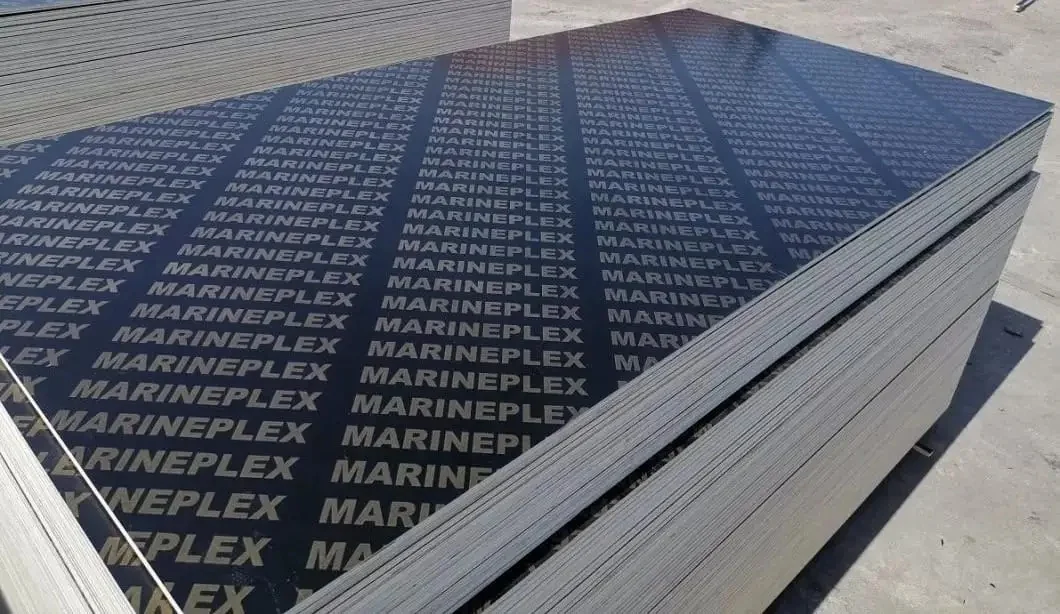
- Marine Boards — listed purchasing unit: piece.
Browse the relevant ranges: Machine Cut Stones, Timber, Marine Boards.
Set out the work package on the institutions materials page and send the approved schedule with a bulk quotation enquiry. Ask the supplier to confirm feasibility, timing and commercial terms for your actual destination.
For the supporting buying process, read Building material quote comparison: find the true delivered cost, and Stone quantity estimates: reconcile wall area and purchase units.
Frequently asked questions
Can one committee approval cover every later material change?
Do not assume that. Follow the institution’s authorised process and identify which specification, quantity and commercial scope the approval actually covers.
Is a receiver’s signature always technical acceptance?
Not necessarily. Define the receiver’s authority and record whether the signature acknowledges arrival, quantity or acceptance under the agreed process.
What does the 370-piece balance in the example mean?
It is the illustrative order quantity less accepted pieces, while held material remains unresolved. The contract and later decision determine the final position.
Can this article replace an institution’s procurement rules?
No. The authorised procurement team must determine the applicable process and documents.
Does BuildSupply offer institutional credit or tender certificates?
Those facts are not confirmed here. Ask specific questions and obtain the supplier’s written response with the quotation.
What should a committee handover include?
Provide current order references, accepted and held stock, remaining commitments, unresolved decisions and the location of supporting records.
References
Official background resources for the relevant procurement, weather or wood-care questions discussed above. They do not certify a catalogue item or confirm this supplier’s terms.