By BuildSupply Editorial Team
NGO construction material procurement should connect the approved work package, funding reference and material quantity without confusing donor reporting with supplier acceptance. Keep the organisation’s own procurement and grant requirements visible, then give the supplier a clear commercial enquiry. A well-labelled order helps the team trace accepted deliveries to a project lot without inventing eligibility rules, certification claims or donor terms that have not been supplied.
NGO construction material procurement: define the funding and work references separately
Identify the approved construction package and the funding or reporting reference used by the organisation. They may be related, but they are not necessarily the same thing. One work package may draw on more than one approved budget line, while one funding lot may cover several material deliveries. Record the relationship explicitly rather than assuming the supplier’s invoice reference must explain the whole grant structure.
Ask the NGO’s authorised procurement and finance teams to identify the applicable documents, approval route and evidence required. This guide does not establish donor eligibility, procurement thresholds or legal compliance. It helps the buyer keep those actual instructions connected to the enquiry. Share only the information the supplier needs to quote and deliver the requested material, and do not add a claim that BuildSupply has a particular donor approval or tender certificate without confirmation.
NGO construction material procurement: maintain a record that survives project handovers
Choose one reference structure for the project and use it on enquiries, approvals, orders and receiving records. A colleague taking over should be able to follow the sequence without searching several unrelated message threads. Keep the original documents alongside summaries. The summary helps a committee make a decision, but it should not replace the evidence showing what was requested, offered and ultimately agreed.
Distinguish a forecast requirement from an authorised order and an accepted delivery. Those figures answer different questions. A project may have a large planned scope, a smaller committed order and only part of that order accepted so far. Combining them under a heading such as materials procured makes the position unclear. Label each balance explicitly and explain the basis used in any report to a funder, committee or commercial manager.
Track material issued to work fronts after receipt. A receiving register records stock coming in; it does not explain what has been installed, transferred or returned. Use issue references that connect significant movements to the relevant work package. The level of detail should suit the project, but the register must allow a reasonable explanation of the difference between accepted receipts and stock remaining in the store.
Reconcile balances using consistent references
Review unexplained differences while the people and evidence are still available. Check for duplicate requisitions, unit mismatches, omitted transfers and outstanding quality holds before assigning a cause. A discrepancy is a question to investigate, not automatic proof of theft, breakage or supplier shortage. Record the confirmed explanation and the person authorising any adjustment. Do not simply overwrite a balance until the arithmetic appears tidy.
Where an exception affects payment or further supply, keep its commercial status visible. State what has been acknowledged, what remains disputed and which document governs the next action. Avoid recording a remedy as agreed before the supplier or authorised project representative has confirmed it. A clear issue log lets the next person continue the discussion accurately without making a new promise or reopening a point that was already resolved.
At a phase or committee handover, provide a short closing statement with outstanding orders, accepted stock, held material and unresolved decisions. Include the location of supporting documents and the names of responsible contacts. This is more useful than a folder full of unidentified photographs. The handover should make the next action clear while preserving the distinction between observations, approvals and commercial commitments.
NGO construction material procurement: reconcile quantities before allocating a reporting total
Imagine a hypothetical order of 1,000 specified pieces serving two approved work packages. The internal allocation is 600 pieces to one reference and 400 to another. A first delivery has 450 accepted pieces and 50 held for clarification. The organisation must decide how its approved reporting process handles those statuses; it should not quietly report all 500 as accepted construction material.
The numbers do not describe a real grant or donor requirement. They show the need to keep the physical material position separate from any later financial allocation. If the accepted 450 are issued between work fronts, record that distribution using the actual project references. Do not use an assumed funding split to conceal where material went. A reviewer should be able to move from the order line to receiving evidence and the organisation’s authorised allocation without finding incompatible quantity totals.

NGO construction material procurement: prepare an enquiry that does not overstate supplier scope
Describe the material, unit, quantity, specification reference and proposed destination for each line. Keep separately sourced work or equipment outside the assumed BuildSupply package. The catalogue’s timber, poles and stone products do not establish that every component of an NGO construction programme is supplied by the store. If a requested document or service is essential, ask a direct question and record the supplier’s response.
Compare offers on the same scope, including transport and receiving responsibilities. A supplier total may exclude an internal movement that the field team assumed was included. Identify the actual receiving point and ask for destination feasibility rather than promising delivery across an unconfirmed area. Keep any requested credit, LPO arrangement or discount as a question until it is confirmed in writing. The organisation’s usual purchasing practice does not establish another business’s terms.
NGO construction material procurement: check the connection between measured and purchased quantities
Retain the unit used in the approved BOQ and show the supplier's purchasing unit in a separate column. If the two differ, ask the responsible quantity reviewer to explain the bridge between them. A material described per piece, foot, length or load cannot be treated as interchangeable merely because the descriptions refer to the same project. The conversion needs a stated basis that the buyer can repeat.
Distinguish a theoretical net requirement from the quantity proposed for ordering. The net calculation describes the measured work under its assumptions. Cutting, handling or contingency allowances are separate purchasing decisions and should retain their reasons and approvals. Check whether an allowance is already included in the source schedule before adding another. Otherwise a well-intended precaution may duplicate a quantity already allowed by the project team.
Record measurements at a useful level of detail. Total footage can hide an unsuitable length mix, and a total piece count can hide differences in size. Similarly, an assumed volume does not prove a delivered mass. Identify the dimensions, length classes or delivery evidence relevant to the agreed sales unit. Do not invent a conversion factor or rely on appearance to settle a quantity that requires measurement or supporting documentation.
Make every conversion and allowance visible
Round only after understanding the unit in which the supplier actually offers the material. An internal calculation can produce a fractional figure, while the quotation may use whole pieces or another agreed increment. Show the unrounded calculation and the purchasing decision separately. Ask the supplier to confirm the commercial measurement basis. A neat rounded total should not conceal a change in specification or an assumption about stock that has not been confirmed.
Use a worked example to test the schedule before approval. Choose one representative line, reproduce its calculation and ask a second reviewer to follow the assumptions. If the results differ, compare inputs and units before changing the order quantity. The objective is not to force agreement with an existing spreadsheet. It is to understand why the calculation describes the approved work and whether it maps to a feasible purchase.
Keep the same unit labels on the receiving record and closing reconciliation. A count made using a different basis from the order may look like a shortage even when the underlying quantities have not yet been compared correctly. Resolve the unit question first and retain the explanation. This makes later payment, balance and variation discussions more accurate without pretending that an estimating worksheet is a structural design or a supplier's delivery certificate.
NGO construction material procurement: make field handovers useful to the next reviewer
Keep a current record of orders, accepted stock, material issued and exceptions awaiting a decision. Where projects have several field contacts, identify which person may instruct the supplier and which may accept a specification change. A delivery acknowledgement from an available staff member should not be interpreted as approval beyond their assigned authority.
NGO construction material procurement should allow a successor to understand what remains to be supplied or resolved without reconstructing every conversation. Attach the approval and receiving references to the issue log, and describe observations factually. An unexplained balance is not proof of donor ineligibility, misuse or supplier shortage. Investigate the actual quantity and instruction trail before assigning a confirmed cause. This keeps reporting evidence accurate while protecting the distinction between technical acceptance, financial allocation and commercial commitments.
NGO construction material procurement: review the decision before release
Test one funding-linked order line by tracing it from approval through the supplier response, receiving evidence and actual work-front issue. The reviewer should not need to infer physical material movement from a budget percentage. If an allocation or acceptance decision is still open, show that explicitly. This small traceability test helps the organisation prepare an accurate report and identify the missing evidence without making an unsupported allegation about field staff, a donor requirement or the supplier’s performance.
Next steps for NGO construction material procurement
Prepare NGO construction material procurement enquiries with the approved work schedule, relevant reference structure and clear supplier questions. Ask BuildSupply to confirm product details, quantity basis, destination feasibility and the documentation it can actually provide. Apply the NGO’s real donor and procurement rules through its authorised teams rather than assuming them from a general buying guide.
Catalogue and buying resources
Use these catalogue entries to identify the exact lines for your enquiry. Confirm their current specification and purchasing unit in the quote:
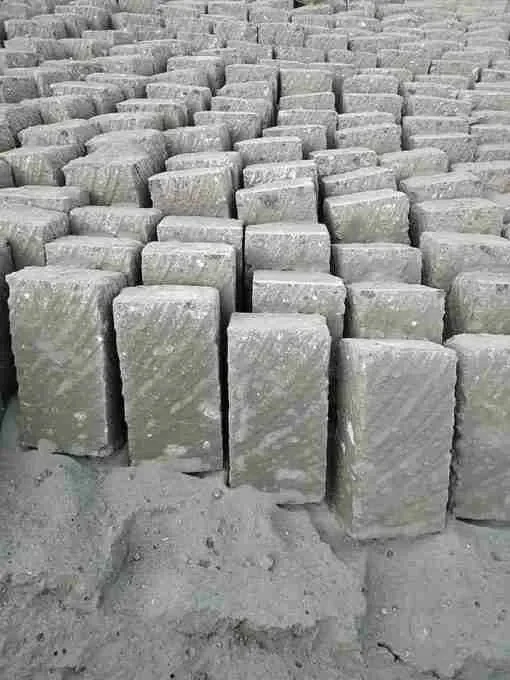
- 6" Machine Cut Stones (dalugo) — listed purchasing unit: piece.
- Cypress Timber 2×4 — listed purchasing unit: foot.
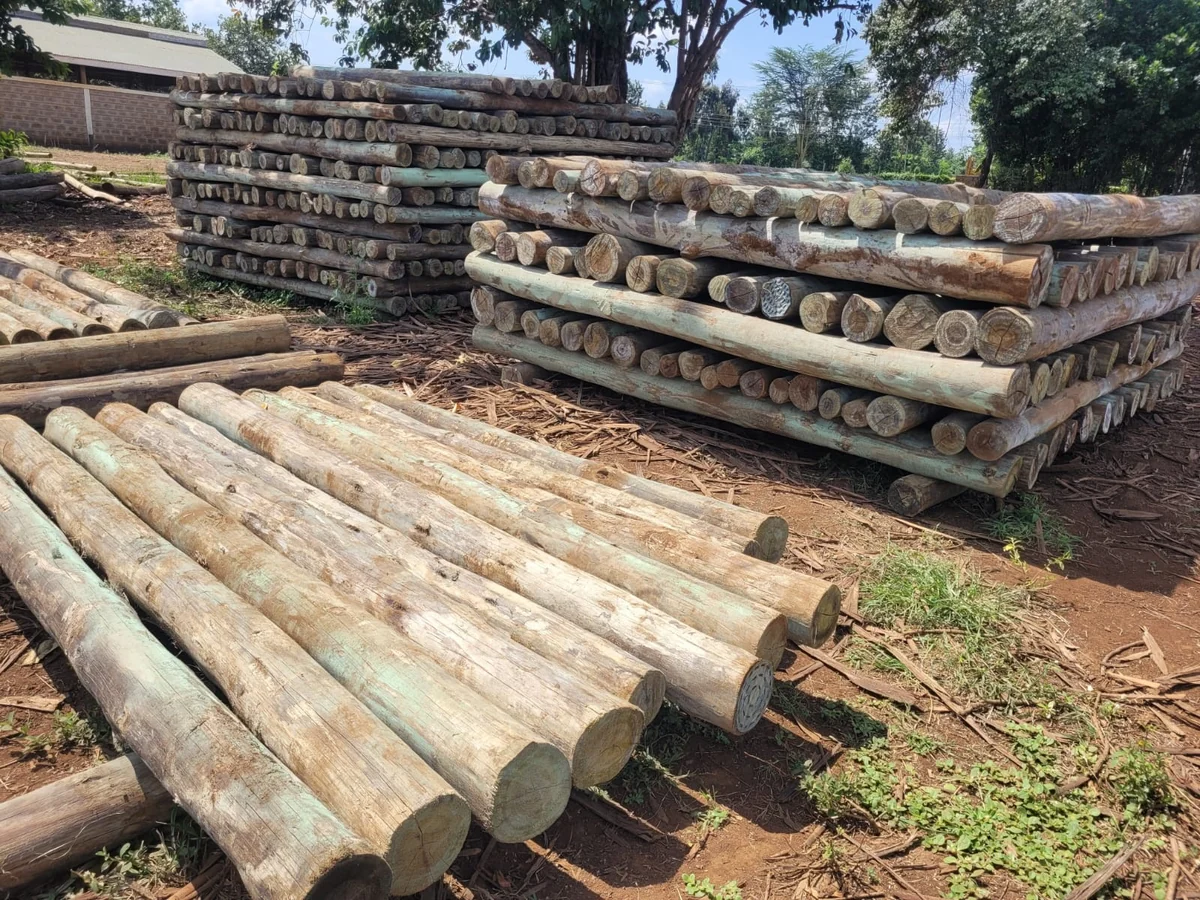
- Treated Round Pole 3–4 inch — listed purchasing unit: piece.
Browse the relevant ranges: Machine Cut Stones, Timber, Round Poles.
Set out the work package on the institutions materials page and send the approved schedule with a bulk quotation enquiry. Ask the supplier to confirm feasibility, timing and commercial terms for your actual destination.
For the supporting buying process, read Building material quote comparison: find the true delivered cost, and Stone quantity estimates: reconcile wall area and purchase units.
Frequently asked questions
Does this guide establish donor procurement requirements?
No. Use the actual grant and organisational instructions, interpreted by the authorised procurement and finance teams.
Is a funding lot always the same as a delivery lot?
Not necessarily. Record the relationship explicitly so material movement and financial reporting can both be traced.
Can held material be described as accepted stock?
Keep the statuses separate until the agreed review resolves the exception. Apply the organisation’s actual reporting rules to that factual position.
Does BuildSupply have an NGO-specific certification confirmed here?
No. Ask for any required documentation and obtain the supplier’s written response without assuming availability.
Can an internal funding percentage prove material allocation?
No. Keep evidence of the actual work-front issues and use the authorised allocation method separately.
What should a field-team handover contain?
Include open orders, accepted and held quantities, issue references, pending decisions and authorised supplier contacts.
References
Official background resources for the relevant procurement, weather or wood-care questions discussed above. They do not certify a catalogue item or confirm this supplier’s terms.