By BuildSupply Editorial Team
Church construction material approvals should identify the work package, quantity basis, available authority and exact purchase being proposed. Keep donated material separate from purchased stock and obtain technical review before treating either as suitable for the building. A committee needs a clear decision paper, not a general total that combines pledged funds, anticipated donations and orders already placed.
Church construction material approvals: separate a building vision from an authorised package
Start the approval request with the defined work stage and the current professional specification. The wider church building plan provides context, but it does not establish that every material should be bought immediately. Identify the package the committee is being asked to approve and the person responsible for confirming its quantities. Avoid using an informal fundraising target as though it were an approved material schedule.
State the supplier scope precisely. An enquiry for timber, stone or roofing tiles does not include unconfirmed design, building labour or installation services. Where a contractor and volunteers have different responsibilities, document who may request material and who approves changes. This keeps an enthusiastic offer of help from becoming an unsupported instruction to purchase or accept a different product. Structural and approval questions must remain with the responsible professionals and relevant bodies.
Church construction material approvals: turn the requirement into a comparable enquiry
Give each supplier the same enquiry revision. State the required material, purchasing unit, quantity and delivery destination on separate lines. Attach the specification references that explain the requirement, and identify who can answer technical questions. Avoid relying on a product photograph to communicate a dimension, performance requirement or included service. If a clarification changes the scope, record the change and make sure the offers being compared address the updated requirement.
Build a comparison with columns for the material, tax treatment, transport, offloading and other relevant responsibilities. An unanswered item should remain an open question rather than becoming a zero. Two quotations can show similar totals while covering different work. For example, transport to a gate and movement to an internal storage area are different scopes. Ask what each offer includes before treating a price difference as a saving.
Keep commercial preferences separate from technical compliance. A convenient delivery arrangement does not establish that a material matches the approved specification. Where a supplier offers an alternative, identify the exact difference and refer it to the authorised technical reviewer. The reviewer should see the original requirement and the proposed alternative together, with any supporting evidence. Purchasing staff should not approve a structural or performance change simply to complete the comparison.
Resolve differences before approving an order
Ask the supplier to state how long the quotation remains valid and which quantities it covers. An enquiry for a whole project is not necessarily a commitment to purchase the whole project. Distinguish the quantity proposed for immediate release from a later estimate. Confirm any payment method, LPO acceptance, credit request or discount in writing; none is established by this guide. Retain the response with the relevant offer and order reference.
Present an approval recommendation that identifies the preferred offer, its scope and unresolved conditions. Attach the original quotations rather than replacing them with an unexplained summary. A reviewer should be able to trace the recommended total to the enquiry and written clarifications. If a question remains material to the decision, identify the person responsible for resolving it and avoid representing the order as ready for release.
Finally, keep a dated copy of the schedule that was actually approved. The working spreadsheet may continue to change, but the issued order needs a stable reference. Mark later changes as revisions or variations and retain the earlier version. This gives the supplier, committee and receiving team a shared baseline when they discuss quantities, timing or an exception. The aim is a clear decision trail, not a complicated filing system.
Church construction material approvals: show donated and purchased quantities separately
Imagine an illustrative approved requirement of 500 specified pieces. The church has 120 donated pieces physically present, but the technical reviewer has cleared only 90 for the intended use. A purchasing request should not automatically deduct all 120 and order 380. It needs to identify the 90 cleared pieces, 30 awaiting a decision and the remaining requirement under the project’s approved process.
If the held 30 are later cleared, the committee can reassess the balance before another release. If they are unsuitable, the record explains why their presence did not reduce the authorised order. These numbers are hypothetical and do not describe a real church project. The important distinction is between a donation pledge, physical receipt and material suitable for a specific approved task. Keep each status visible so the committee does not make a purchasing decision on an assumption about stock that has not been reviewed.

Church construction material approvals: present scope, funding and unresolved terms together
Give the committee the requested material lines, comparable supplier offers and the amount or commitment being proposed under its own records. Do not state a supplier price in the guide. The decision paper should use the actual quotations received and show tax, transport, handling and other relevant scope clearly. An unanswered responsibility belongs in the exceptions section, not hidden within the recommended total.
Where members discuss paying later, using an LPO or receiving a discount, request a written supplier response before representing the arrangement as available. No such BuildSupply terms are confirmed here. Distinguish an internal funding plan from a commercial agreement. The committee can approve a proposal subject to conditions under its process, but the buyer must know which conditions need resolution before an order is released. Record the person authorised to confirm that they have been met.
Church construction material approvals: maintain a record that survives project handovers
Choose one reference structure for the project and use it on enquiries, approvals, orders and receiving records. A colleague taking over should be able to follow the sequence without searching several unrelated message threads. Keep the original documents alongside summaries. The summary helps a committee make a decision, but it should not replace the evidence showing what was requested, offered and ultimately agreed.
Distinguish a forecast requirement from an authorised order and an accepted delivery. Those figures answer different questions. A project may have a large planned scope, a smaller committed order and only part of that order accepted so far. Combining them under a heading such as materials procured makes the position unclear. Label each balance explicitly and explain the basis used in any report to a funder, committee or commercial manager.
Track material issued to work fronts after receipt. A receiving register records stock coming in; it does not explain what has been installed, transferred or returned. Use issue references that connect significant movements to the relevant work package. The level of detail should suit the project, but the register must allow a reasonable explanation of the difference between accepted receipts and stock remaining in the store.
Reconcile balances using consistent references
Review unexplained differences while the people and evidence are still available. Check for duplicate requisitions, unit mismatches, omitted transfers and outstanding quality holds before assigning a cause. A discrepancy is a question to investigate, not automatic proof of theft, breakage or supplier shortage. Record the confirmed explanation and the person authorising any adjustment. Do not simply overwrite a balance until the arithmetic appears tidy.
Where an exception affects payment or further supply, keep its commercial status visible. State what has been acknowledged, what remains disputed and which document governs the next action. Avoid recording a remedy as agreed before the supplier or authorised project representative has confirmed it. A clear issue log lets the next person continue the discussion accurately without making a new promise or reopening a point that was already resolved.
At a phase or committee handover, provide a short closing statement with outstanding orders, accepted stock, held material and unresolved decisions. Include the location of supporting documents and the names of responsible contacts. This is more useful than a folder full of unidentified photographs. The handover should make the next action clear while preserving the distinction between observations, approvals and commercial commitments.
Church construction material approvals: give volunteers and successors a practical handover
Use one current order register even when several committee members help with enquiries or receiving. Identify the authorised supplier contact and avoid issuing inconsistent instructions through multiple personal conversations. A volunteer acknowledging a load at the gate should know whether they may count, accept or only notify the responsible person. Put that distinction in the receiving instructions.
Church construction material approvals should remain understandable after committee membership changes. Keep the approved scope, supplier response, accepted deliveries and unresolved donations together. When another work stage is proposed, compare it with suitable stock remaining and open orders. Do not assume that a fresh fundraising round requires a complete new purchase of every material. A clear record gives the congregation a factual explanation of what was authorised and received without making unsupported claims about waste, discounts or a supplier’s obligations.

Church construction material approvals: review the decision before release
Before the committee approves a new purchase, select one donated-material line and ask whether it is pledged, physically present or cleared for the intended use. Show the corresponding quantity in the appropriate record, and identify any remaining review. Members can then understand why the buying requirement may differ from a general donation total. This also avoids implying that a generous contribution was wasted or unsuitable before the authorised project team has actually assessed and documented its status.
Next steps for church construction material approvals
Prepare church construction material approvals around a defined work package and an inspectable quantity basis. Send the approved schedule with the bulk enquiry and ask BuildSupply to confirm the products and complete quotation terms. Keep donations, pledges, accepted stock and commercial commitments distinct throughout the committee record.
Catalogue and buying resources
Use these catalogue entries to identify the exact lines for your enquiry. Confirm their current specification and purchasing unit in the quote:
- 6" Machine Cut Stones (dalugo) — listed purchasing unit: piece.
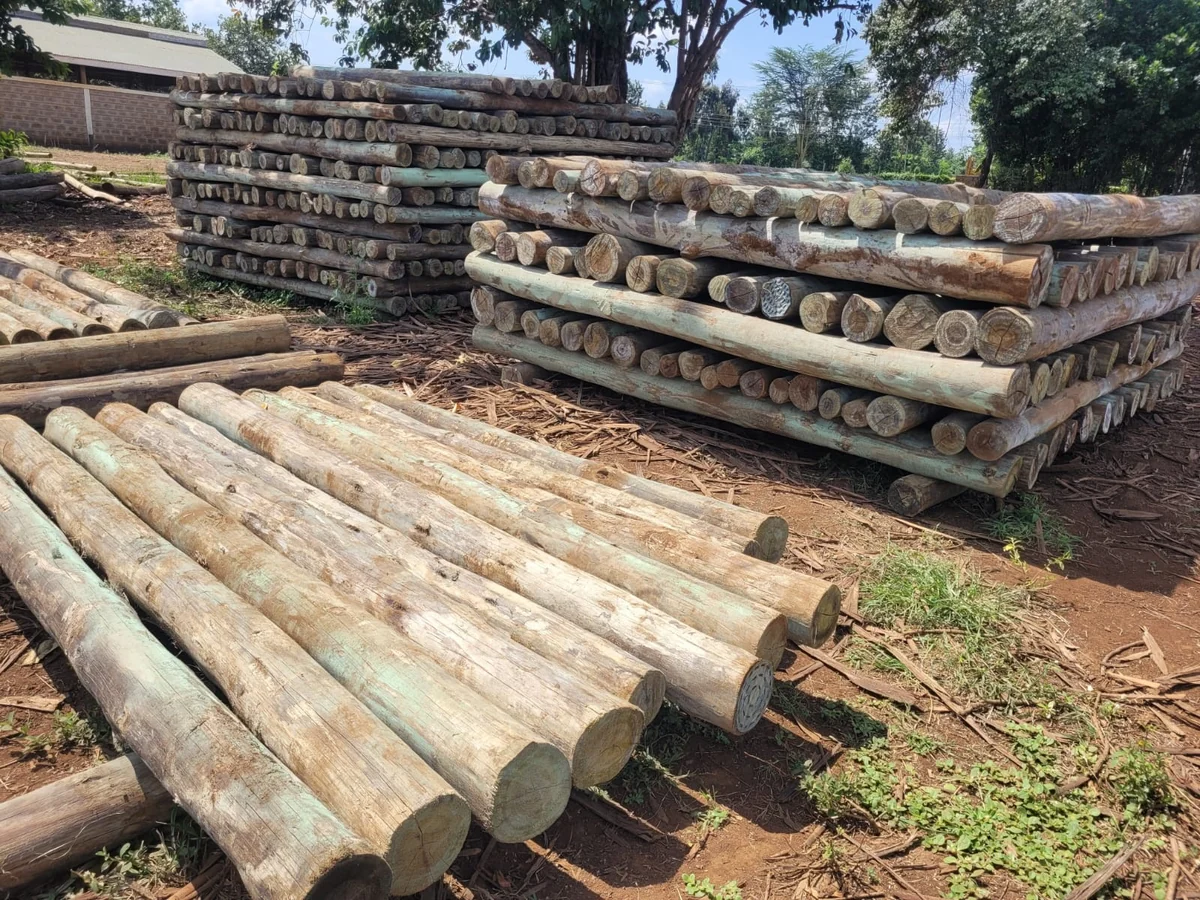
- Cypress Timber 2×4 — listed purchasing unit: foot.
- Stone Coated Roofing Tiles — listed purchasing unit: piece.
Browse the relevant ranges: Machine Cut Stones, Timber, Tiles.
Set out the work package on the institutions materials page and send the approved schedule with a bulk quotation enquiry. Ask the supplier to confirm feasibility, timing and commercial terms for your actual destination.
For the supporting buying process, read Building material quote comparison: find the true delivered cost, and Stone quantity estimates: reconcile wall area and purchase units.
Frequently asked questions
Can donated stones automatically be deducted from the order?
Only material cleared as suitable for the defined requirement should be treated as usable stock. Keep unreviewed donations separate.
Is a fundraising target the same as an approved purchase?
No. The committee should identify the actual work package and material commitment it authorises under its own process.
Can volunteers approve a different structural material on arrival?
They should act only within their assigned authority. Refer technical departures to the responsible qualified professional.
Does the guide confirm BuildSupply discounts for churches?
No. Ask about any requested commercial arrangement and obtain a written supplier response.
What should happen when committee members change?
Provide a current register of approvals, orders, accepted and held material, donations awaiting review and the next required decisions.
Are the 500, 120 and 90 pieces a real church example?
No. They are invented quantities illustrating the difference between physical donated stock and material cleared for use.
References
Official background resources for the relevant procurement, weather or wood-care questions discussed above. They do not certify a catalogue item or confirm this supplier’s terms.