By BuildSupply Editorial Team
Formwork material orders should follow the approved temporary works requirement and a checked cutting schedule. Keep marine board pieces, shuttering board lengths and other timber sections on separate purchasing lines. Then confirm the offered dimensions and usable lengths before comparing totals. A catalogue label does not approve a formwork system, and a buying calculation cannot replace the competent designer’s decisions about support, loading or use.
Formwork material orders: map every material to the approved arrangement
Ask the responsible temporary works professional to identify which materials are required for each part of the proposed arrangement. The purchasing team needs enough specification detail to prepare an accurate enquiry without choosing the design itself. A general description such as boards for the slab leaves questions about dimensions, quantity, permitted properties and use unresolved. Record the actual requirement and drawing reference on each line.
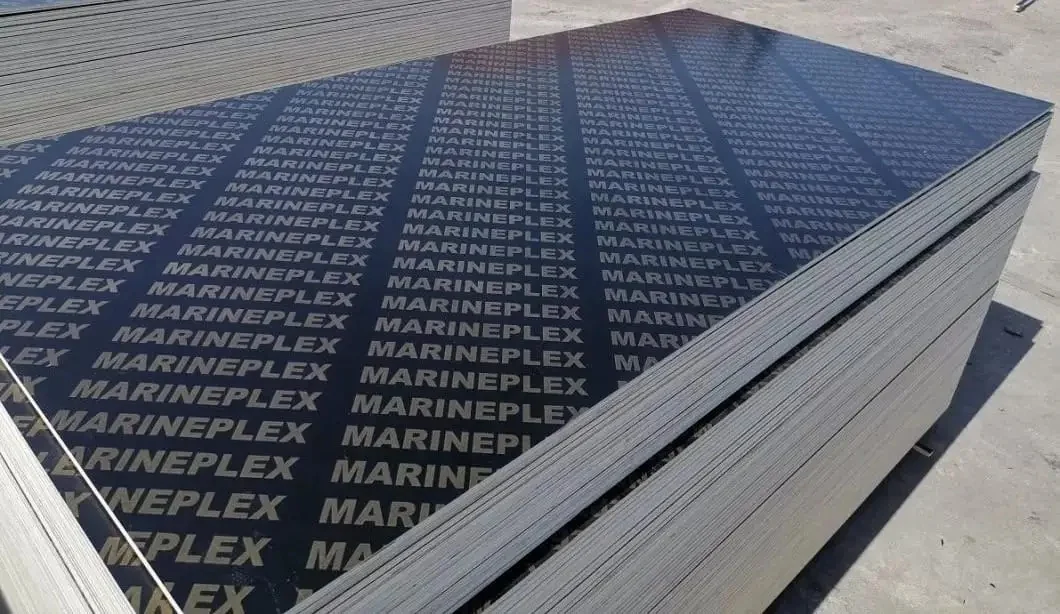
Keep the different catalogue groups distinguishable. Marine boards are listed per piece, while shuttering boards and timber lines may be sold by footage. Combining them into a total called formwork timber can hide both unit and specification differences. Identify the material, required section or sheet dimensions and intended cut requirements separately. Where any property remains unconfirmed, request clarification instead of adding an assumed grade or thickness. The order should carry an approved technical requirement to the supplier, not manufacture one from a shop photograph.
Formwork material orders: keep technical decisions with the authorised professional
Start with the approved specification and current drawings. Identify their references on the purchasing schedule so the supplier and reviewer can see which requirement controls. If a material property is missing, ask the responsible professional to clarify it before final offers are compared. A catalogue description can identify an item for discussion, but it does not establish the design requirement or prove suitability for a particular structural or temporary works application.
Separate product identity from evidence of performance. A name may mention a nominal size, species or treatment without supplying every detail required by the project. Request the measurements, documentation or assessment the specification calls for. Do not invent a grade, strength, origin, warranty or lifespan to make an enquiry look complete. An honest question is more useful than a precise-looking statement that nobody has verified.
Record each proposed alternative against the original requirement. State what differs, why the supplier suggests it and what evidence accompanies the proposal. Send both descriptions to the person authorised to assess technical equivalence. A cheaper offer or earlier proposed delivery does not establish equivalence. The decision should explain the approved scope and any conditions, rather than simply describing a replacement item as acceptable without a supporting reason.
Control proposed substitutions and revisions
Keep commercial approval connected to the technical decision. An adviser might approve a material conditionally, while the buyer still needs to confirm quantity, costs or timing. Conversely, a committee might approve a budget without approving a new specification. Show which decisions remain open and who must resolve them. This avoids an order being released because one approval was mistaken for a complete authorisation to proceed.
When a drawing revision changes the requirement, identify orders and stock already affected. The response may involve revising a future release, reviewing usable surplus or seeking clarification about material already delivered. Do not erase the earlier order record. Retaining its reference explains why a quantity was purchased under a specification that later changed. The project can then assess the consequence using evidence instead of assuming the original buyer made an error.
Give receiving staff the decision they need in a usable form. They should know the agreed product description, measurement basis and acceptance route, without having to interpret a long technical discussion at the gate. Where a specialist check is required, arrange for the authorised reviewer to perform it. A visual tally is valuable for quantity and condition, but it must not be represented as certification of properties it cannot establish.
Formwork material orders: use a cutting example to expose false sheet savings
Imagine a hypothetical package requiring 24 panels of one defined shape. A layout suggests two panels could be cut from each offered sheet, giving a theoretical requirement of 12 sheets. Before using that number, the cutting reviewer must check actual sheet dimensions, saw cuts, end trimming and orientation requirements. An area calculation alone does not prove that the shapes fit the sheet in a usable arrangement.
If the checked layout instead permits only one complete panel from some stock sheets, the purchase requirement changes. Record why, rather than describing the whole difference as unexplained waste. Keep a distinction between the net panel requirement, the cutting layout and any separately approved contingency. These arbitrary counts illustrate purchasing logic, not a formwork design or a claim about the dimensions of BuildSupply marine boards. Ask for the actual offered measurements on the quotation and have the cutting plan reviewed before approving a sheet quantity.
Formwork material orders: plan new stock and reviewed reusable material separately
A contractor may propose using boards already held on site. Identify their quantities and condition status before deducting them from the new purchase. A returned board is not automatically suitable for another task, and a nominally full sheet may no longer provide the required usable panel. The competent reviewer needs to assess the actual material against the approved arrangement.
Maintain separate totals for new material, used material cleared for a defined use, pieces awaiting review and rejected stock. Do not introduce a fixed number of reuse cycles without verified product evidence and task-specific approval. A project may have many boards physically present while still needing additional suitable material for a particular cut or condition requirement. The buyer should therefore ask how much usable stock the reviewer has actually cleared, not simply how many pieces the storekeeper can count. Keep that clearance reference with the proposed new order.
Formwork material orders: protect stock and review weather-related readiness
Choose the receiving and storage positions before requesting a load. Explain how each material will remain identifiable and accessible for its checks. A place described as a store is not automatically suitable: the team needs to assess its protection, supports, drainage and intended period of use. Ask the competent site supervisor to decide the actual stacking and handling arrangements. A purchasing article cannot establish safe stack heights or ground capacity.
Review what happens if the material stays longer than planned. A short delay may affect space needed by another trade or extend exposure to weather. Identify the person who checks the store after a significant change in conditions. Where product-specific instructions or specification requirements apply, keep them with the storage plan. Do not replace those requirements with a generic assumption that a particular catalogue name makes the material unaffected by moisture or heat.
Keep accepted, used and disputed material distinguishable. Storage becomes difficult to audit when returned pieces are added to new-stock quantities without a condition review. Mark batches using a system the team can maintain, and connect each issue or return to its work front. If an offcut will be counted towards another requirement, record its useful dimensions rather than treating unrelated remnants as a complete purchasing unit.
Check the actual store and approach route
Look at the route from the public road to the unloading position near the proposed dispatch date. A previous delivery does not prove that the route remains suitable after rain, earthworks or changes in site traffic. Ask the supplier and responsible site personnel to agree the arrangements that apply to this load. Record unresolved obstructions or surface concerns early; do not leave a driver to make an unsupported decision on arrival.
Use authoritative weather information as one planning input and check actual site conditions separately. A broad outlook cannot establish the condition of a particular gate, slope or internal road. If readiness changes, contact the supplier through the agreed channel before dispatch where possible. Ask what revised arrangements can be agreed. Free postponement, waiting, storage or replacement is not assumed here and must not be added to a quotation by implication.
Maintain a simple condition record for stock that is held between phases. Note the batch, inspection date, observation and person responsible for action. Where a technical property needs assessment, refer it to the qualified project adviser instead of inferring performance from appearance. Clear observations help separate a receiving issue from later storage or handling damage. They also give a committee a factual basis for deciding whether the next release should proceed.
Formwork material orders: coordinate the package with receiving and the work sequence
Identify which part of the approved work programme each release serves. A first package might cover an initial work front while later material remains only an estimate. Confirm the order boundaries so a committee understands what it is authorising. Ask the supplier to state the dimensions and lengths offered for that release, together with any transport or offloading conditions.
Formwork material orders also need a handover from receiving to the people controlling use. The record should show which batches were checked, where they are stored and what remains unresolved. Do not let an urgent request from a work front turn a disputed or unreviewed board into accepted stock. If the design or sequence changes, identify affected orders and cutting requirements before another release. This keeps the purchasing decision aligned with the approved arrangement while leaving technical and safety decisions with the competent project team.

Formwork material orders: review the decision before release
Check one panel requirement and one timber length line before approving the package. The panel check should reproduce the sheet yield, while the timber check should show feasible usable cuts from the offered lengths. Keep the two workings separate. If either relies on unreviewed reusable stock, identify the clearance still needed. This targeted review is more informative than confirming that the combined formwork budget matches an earlier estimate whose cutting and condition assumptions are no longer visible.
Next steps for formwork material orders
Submit formwork material orders with the approved specification, sheet and timber cutting schedules, and a clear statement of any reviewed usable stock. Ask BuildSupply to confirm offered measurements, units, quantities and complete quotation terms. Use the formwork calculator as a transparent estimate with checked inputs, never as approval for a temporary works arrangement.
Catalogue and buying resources
Use these catalogue entries to identify the exact lines for your enquiry. Confirm their current specification and purchasing unit in the quote:
- Marine Boards — listed purchasing unit: piece.
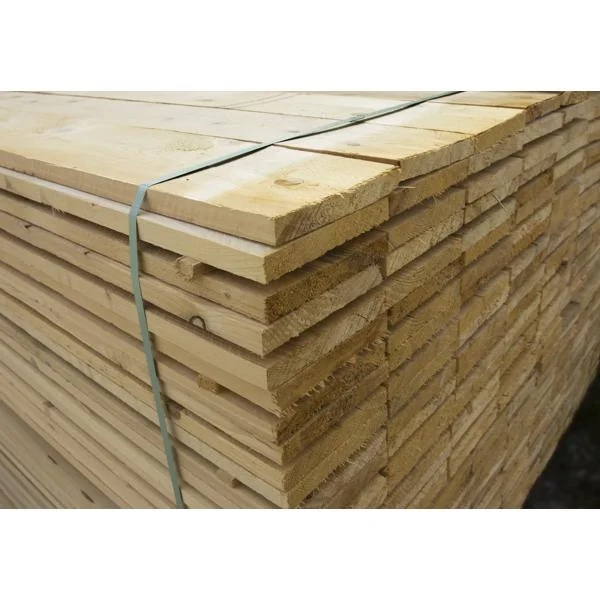
- Shuttering Board 1×8 — listed purchasing unit: foot.
- Cypress Timber 2×4 — listed purchasing unit: foot.
Browse the relevant ranges: Marine Boards, Shutters, Timber.
Set out the work package on the formwork materials page and send the approved schedule with a bulk quotation enquiry. Ask the supplier to confirm feasibility, timing and commercial terms for your actual destination.
For the supporting buying process, read Building material quote comparison: find the true delivered cost, and Timber length schedules: compare feet, pieces and cut lists.
Frequently asked questions
Can a product listing approve a formwork system?
No. A competent professional must approve the temporary works arrangement and relevant material specification for the actual task.
Why should marine boards and shuttering boards have separate lines?
They can have different specifications and purchasing units. Separate lines preserve the information needed for quotation and receiving checks.
Does dividing required panel area by sheet area establish a cutting plan?
No. Shapes, actual dimensions, saw cuts, trimming and any orientation requirements must also fit a feasible reviewed layout.
Can existing used boards be deducted from a new order?
Only after the responsible reviewer has identified usable material suitable for the defined task. Physical piece count alone is not enough.
How many reuse cycles does this guide promise?
None. Reuse depends on verified product properties, actual condition and approval for the next task.
What should accompany the enquiry?
Provide the approved requirement, required measurements and cuts, proposed quantity, reviewed stock basis and questions about delivery and commercial scope.
References
Official background resources for the relevant procurement, weather or wood-care questions discussed above. They do not certify a catalogue item or confirm this supplier’s terms.