By BuildSupply Editorial Team
Farm construction material orders should be organised by work area and intended use, rather than grouped into one general farm purchase. Fencing poles, timber for an approved building task and stones for a separate work package need different specifications and quantity records. Confirm the route to each receiving point and keep routine farm operations in the planning discussion. The main gate address alone does not establish the full delivery scope.
Farm construction material orders: separate each agricultural work package
Give a reference to each proposed task, such as an approved store extension, a particular fencing section or another defined building package. A common farm owner does not make the material requirements interchangeable. Ask the project’s qualified advisers to specify the intended use and any required properties. Purchasing staff should preserve those distinctions rather than deciding that all timber or round poles can serve every task.
Limit the supplier enquiry to confirmed catalogue materials. BuildSupply lists timber, round poles and stone products among its materials. Do not imply that an enquiry also includes unconfirmed farm equipment, installation services or specialist agricultural systems. Identify anything sourced separately so it is not assumed to form part of the quote. Clear package boundaries help the farm manager compare responses and avoid ordering the same line through both a contractor and an internal purchasing team.
Farm construction material orders: agree a practical delivery and offloading plan
Describe the destination more precisely than a town or institution name. Identify the receiving gate, contact person and intended unloading position. Note known access restrictions and invite the supplier to clarify vehicle suitability for the proposed load. A delivery request does not prove that the vehicle can reach an internal store. Confirm the actual arrangements with the competent site team rather than assuming that a previous vehicle used the same route.
Consider the last section of the journey separately from the public road. A gate width, turning space, overhead obstruction or internal work area may affect the proposed approach. Record the relevant question and who will assess it. Do not direct a driver into an uncertain arrangement simply because the material is urgently needed. The delivery plan should identify a route that the responsible parties have agreed is suitable for the specific operation.
Name the party responsible for offloading and specify any equipment or labour arrangement that must be confirmed. Keep the allocation in the quotation or order record. A statement that delivery is included does not necessarily explain every handling responsibility. Ask about the exact scope and any applicable conditions. Avoid assuming free waiting time, internal movement or a particular unloading service when those terms have not been agreed.
Allocate responsibilities before dispatch
Arrange a receiving window that suits the actual site. For an occupied school, hospital or business, the responsible team needs to coordinate routine movement and the delivery operation. Purchasing staff can record the agreed restrictions and contacts, but competent site personnel must determine traffic, lifting and safety controls. Do not treat a commercial delivery booking as an approved method statement for an unloading or temporary works activity.
Confirm readiness shortly before dispatch using the order reference and receiving contact. Check that the route remains available, the unloading position is clear and the required people can attend. If something changes, communicate the observation promptly and ask for agreed instructions. Record whether the outcome is a revised time, a different approved receiving position or another confirmed arrangement. The guide does not establish any supplier lead time or destination coverage.
After the load is received, note the arrival, agreed receiving checks and any exception affecting the delivery scope. Keep the record factual. If a delay or additional movement is disputed, the parties need the actual instructions and observations rather than an unsupported description of who caused the problem. A short, consistent delivery log can therefore protect both the buyer and supplier while helping the next load arrive under clearer arrangements.
Farm construction material orders: use field references to explain quantities
Imagine a hypothetical approved schedule for three work areas: 48 pole pieces for one line, 32 for another and 20 for a third. The purchasing total is 100 pieces, but each area should keep its own reference and specification. The numbers are illustrative and do not establish pole spacing, fence design or the suitability of a particular catalogue pole.
If the first receiving point accepts 60 pieces for onward allocation, record how those pieces are issued to the separate areas. A central delivery count alone cannot show which area has its approved allocation. Before the next release, reconcile the accepted stock and issues instead of assuming the farm needs another complete 100-piece package. Where a line has changed, obtain the revised requirement and check remaining suitable stock before treating an apparent balance as freely available to another task.
Farm construction material orders: check the internal movement beyond the public road
Ask the receiving team to describe the route from the gate to the agreed unloading point. Internal distances, occupied work areas and changes in access may matter more than the postal address. Do not assume that a quote to the farm covers onward distribution to every field or building. State the requested scope and ask the supplier to confirm what is actually included.
The farm manager and competent site team should coordinate deliveries with routine activities and any restrictions they impose. Purchasing staff can document the agreed window and contact, but should not improvise traffic, lifting or unloading controls. If an access concern remains unresolved, identify the responsible reviewer before dispatch. A material urgently needed at one work area does not justify sending a vehicle into a route whose suitability has not been agreed.
Farm construction material orders: protect stock and review weather-related readiness
Choose the receiving and storage positions before requesting a load. Explain how each material will remain identifiable and accessible for its checks. A place described as a store is not automatically suitable: the team needs to assess its protection, supports, drainage and intended period of use. Ask the competent site supervisor to decide the actual stacking and handling arrangements. A purchasing article cannot establish safe stack heights or ground capacity.
Review what happens if the material stays longer than planned. A short delay may affect space needed by another trade or extend exposure to weather. Identify the person who checks the store after a significant change in conditions. Where product-specific instructions or specification requirements apply, keep them with the storage plan. Do not replace those requirements with a generic assumption that a particular catalogue name makes the material unaffected by moisture or heat.
Keep accepted, used and disputed material distinguishable. Storage becomes difficult to audit when returned pieces are added to new-stock quantities without a condition review. Mark batches using a system the team can maintain, and connect each issue or return to its work front. If an offcut will be counted towards another requirement, record its useful dimensions rather than treating unrelated remnants as a complete purchasing unit.
Check the actual store and approach route
Look at the route from the public road to the unloading position near the proposed dispatch date. A previous delivery does not prove that the route remains suitable after rain, earthworks or changes in site traffic. Ask the supplier and responsible site personnel to agree the arrangements that apply to this load. Record unresolved obstructions or surface concerns early; do not leave a driver to make an unsupported decision on arrival.
Use authoritative weather information as one planning input and check actual site conditions separately. A broad outlook cannot establish the condition of a particular gate, slope or internal road. If readiness changes, contact the supplier through the agreed channel before dispatch where possible. Ask what revised arrangements can be agreed. Free postponement, waiting, storage or replacement is not assumed here and must not be added to a quotation by implication.
Maintain a simple condition record for stock that is held between phases. Note the batch, inspection date, observation and person responsible for action. Where a technical property needs assessment, refer it to the qualified project adviser instead of inferring performance from appearance. Clear observations help separate a receiving issue from later storage or handling damage. They also give a committee a factual basis for deciding whether the next release should proceed.
Farm construction material orders: keep condition and ownership records practical
Where a farm has an existing stock of timber or poles, identify the material cleared for the proposed use before deducting it from a new order. Previous use, unknown specification or a treatment-evidence gap may require technical review. A pile described as spare material is not automatically a substitute for the approved requirement. Record the usable quantity and its basis.
Separate the farm’s accepted stock from contractor-held material where ownership or issue responsibility differs. Keep transfers between work areas visible and record any agreed change in scope. Farm construction material orders should allow the manager to explain what was bought, where it was issued and what remains available. At handover, give the next team a short register of open orders, held material and unresolved decisions rather than relying on an informal estimate of what is left around the property.
Farm construction material orders: review the decision before release
Use one work area as a practical test of the farm register. Start with its approved requirement, identify material already cleared for that use, then trace the planned delivery point and onward issue responsibility. If the proposed quote ends at the main gate while the work area needs internal transport, record that scope question before approval. This review helps the manager distinguish a material shortage from an unplanned distribution task without assuming that either obligation belongs to the supplier.
Next steps for farm construction material orders
Prepare farm construction material orders with distinct work-area references, approved specifications and a clear receiving scope. Ask BuildSupply to confirm offered measurements, quantities, destination feasibility and the actual quotation terms. Keep unconfirmed credit, delivery timing and installation arrangements outside the assumed package.
Catalogue and buying resources
Use these catalogue entries to identify the exact lines for your enquiry. Confirm their current specification and purchasing unit in the quote:
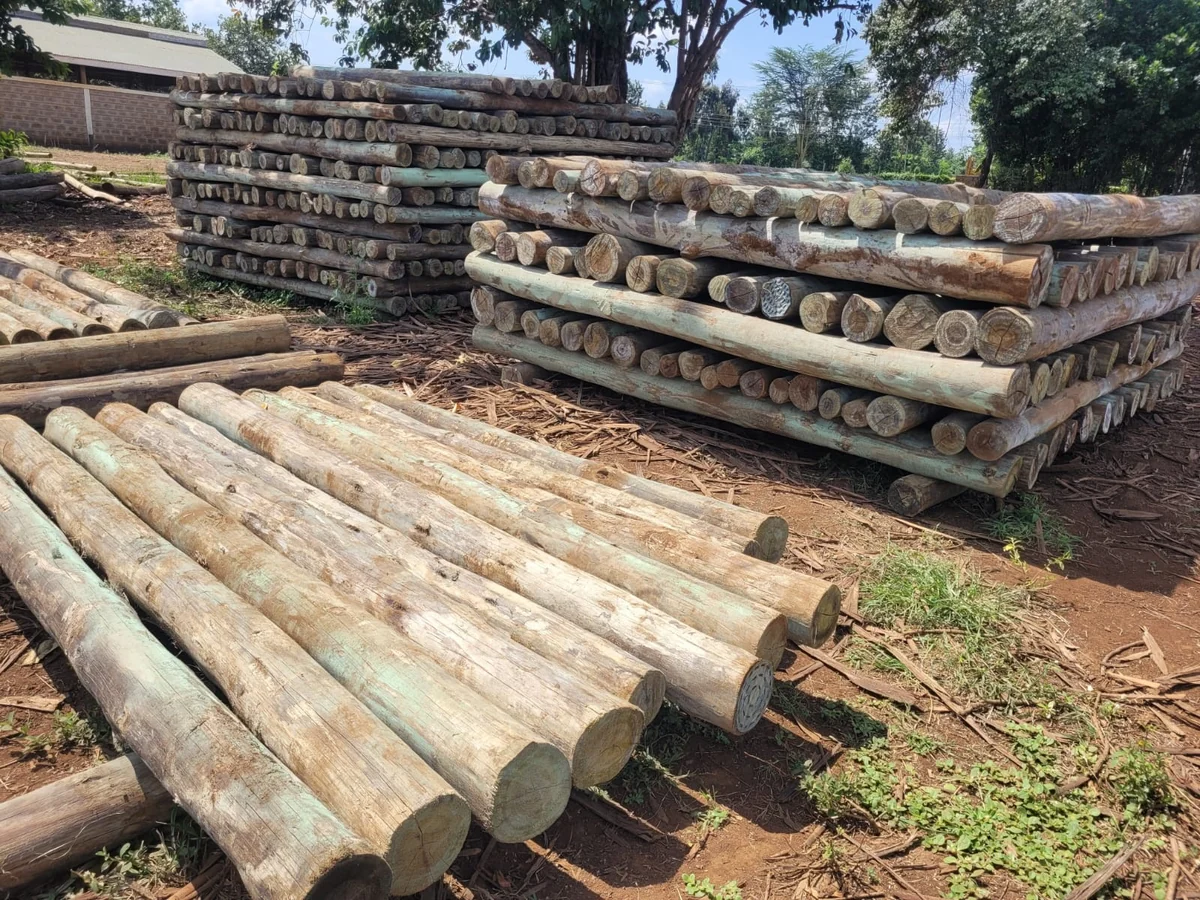
- Treated Round Pole 3–4 inch — listed purchasing unit: piece.
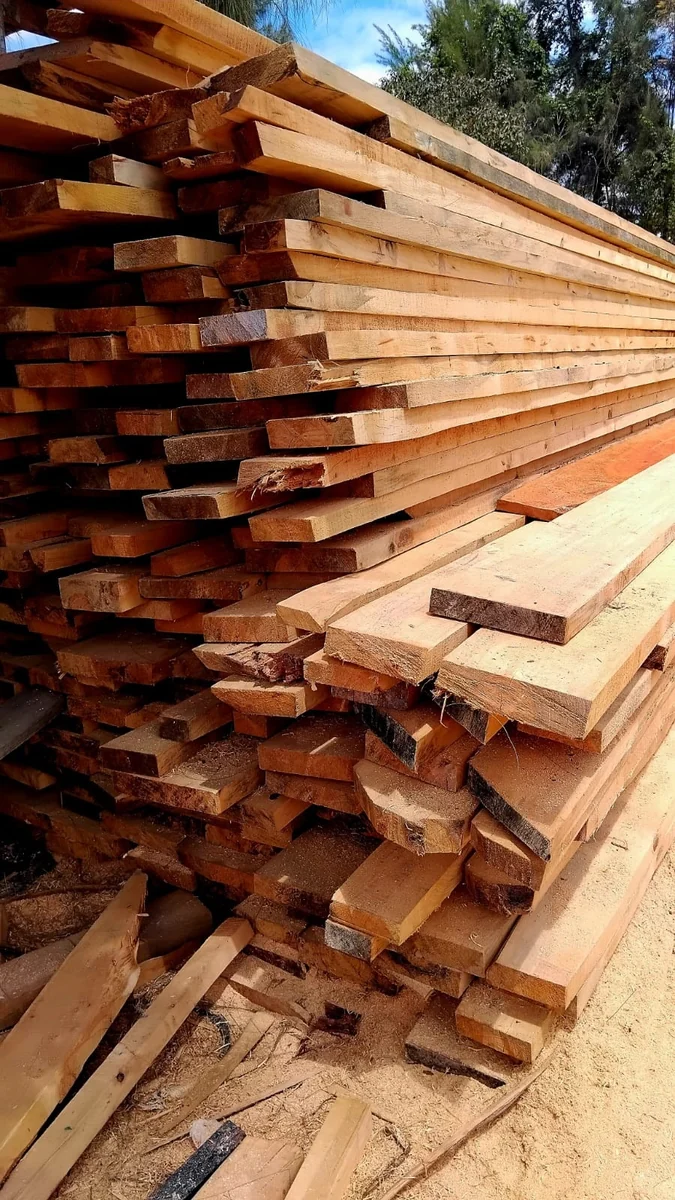
- Cypress Timber 2×4 — listed purchasing unit: foot.
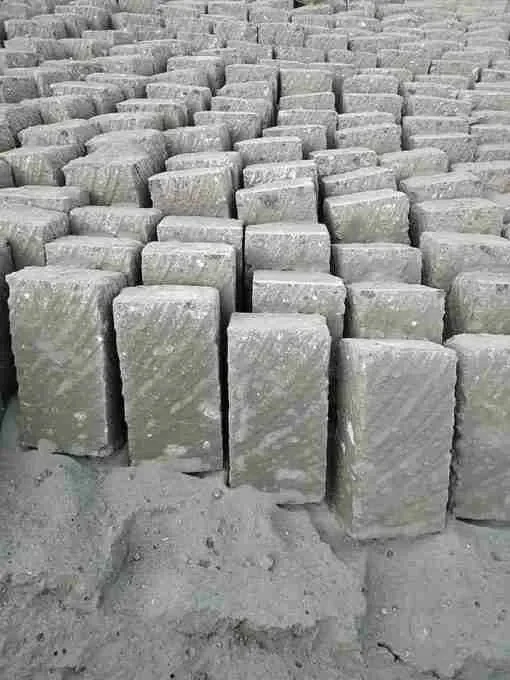
- 6" Machine Cut Stones (dalugo) — listed purchasing unit: piece.
Browse the relevant ranges: Round Poles, Timber, Machine Cut Stones.
Set out the work package on the farm materials page and send the approved schedule with a bulk quotation enquiry. Ask the supplier to confirm feasibility, timing and commercial terms for your actual destination.
For the supporting buying process, read Building material quote comparison: find the true delivered cost, and Stone quantity estimates: reconcile wall area and purchase units.
Frequently asked questions
Can every farm task use the same pole or timber specification?
Do not assume that. The intended use and approved specification should determine the material required for each task.
Does a quotation to the farm gate include distribution around the farm?
Only if that scope has been expressly agreed. Describe the requested receiving points and ask for written confirmation.
Why keep separate field or work-area references?
They connect the approved quantity to issues and remaining balances, helping the manager understand where accepted material has gone.
Can existing spare timber automatically reduce the new order?
Only suitable material cleared for the intended use should be deducted. Unknown condition or specification needs review.
Do the 48, 32 and 20 poles describe a farm layout?
No. They are hypothetical purchasing quantities used to illustrate separate work-area balances.
Does this guide confirm installation or farm equipment supply?
No. The enquiry should cover only confirmed products and services. Unlisted equipment and installation arrangements are not assumed.
References
Official background resources for the relevant procurement, weather or wood-care questions discussed above. They do not certify a catalogue item or confirm this supplier’s terms.